You Won’t Believe What This Hidden City Serves — Évora’s Food Scene Is Pure Magic
Have you ever tasted a place and instantly fallen in love? That’s Évora. Nestled in Portugal’s Alentejo region, this ancient city isn’t just a feast for the eyes—it’s a flavor explosion. Between cobbled streets and sun-bleached stone, I discovered food that tells stories: slow-cooked stews, golden pastries, and wine that warms your soul. If you’re chasing authenticity and unforgettable photos, Évora delivers both, one bite at a time.
First Impressions: Stepping Into a Living Postcard
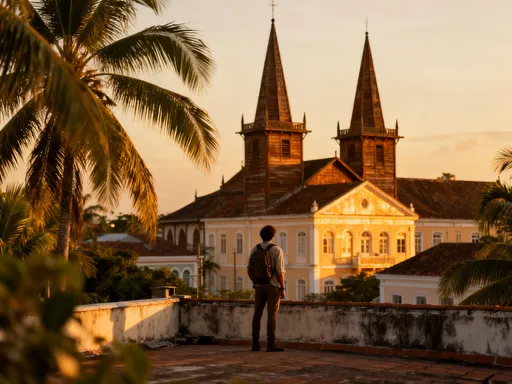
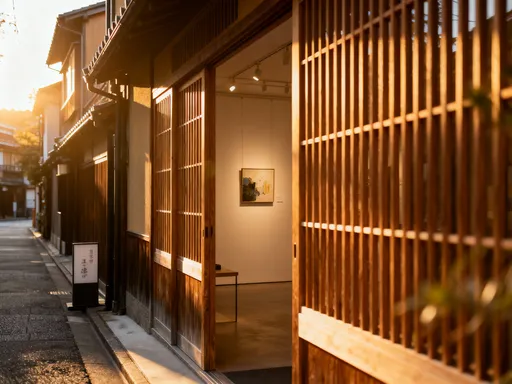
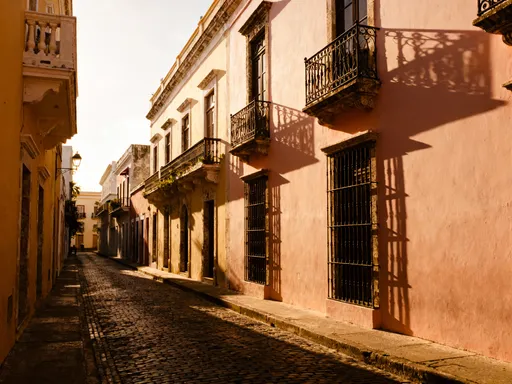
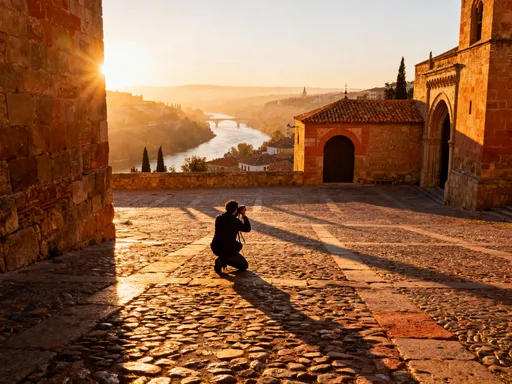
Arriving in Évora feels like stepping into a carefully preserved dream. The city rises gently from the rolling plains of southern Portugal, its skyline marked by terracotta rooftops and the quiet grandeur of ancient stone. Whitewashed buildings glow under the Alentejo sun, their shutters painted in soft blues and greens, while narrow alleys twist like ribbons through the historic center. At golden hour, the Roman Temple of Évora—dating back to the 1st century—bathes in warm light, its Corinthian columns standing as a testament to centuries of layered history. This is not a reconstructed museum piece; it’s a living, breathing city where daily life unfolds beneath UNESCO-protected walls.
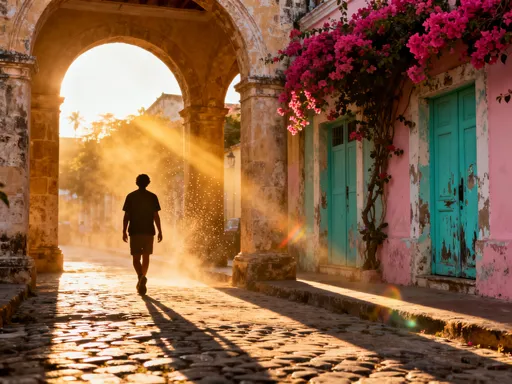
The designation as a UNESCO World Heritage Site in 1986 has helped safeguard Évora’s architectural integrity, but it’s the atmosphere that truly captivates. There’s a stillness here, a sense of time moving just a little slower. As you wander, the scent of baking bread drifts from hidden bakeries, and the distant chime of church bells echoes off limestone facades. Largo da Portagem, with its ivy-draped archway and ivy-covered walls, offers one of the most photographed corners in Portugal—a perfect blend of romance and rustic charm. Nearby, the Sé Cathedral looms at the top of a gentle slope, and the viewpoint just beside it reveals a sweeping panorama of red roofs, olive groves, and distant vineyards.
Every turn presents a new composition for the camera: a weathered door with an iron knocker shaped like a lion’s head, a cluster of geraniums spilling from a window box, sunlight slicing through an arched alley. But Évora’s beauty isn’t just visual—it’s tactile, auditory, and deeply sensory. The crunch of gravel underfoot, the warmth of sun on stone walls, the murmur of Portuguese spoken in low, melodic tones—all contribute to a feeling of immersion. This is a city that invites you to linger, to observe, to absorb. And as the light softens and shadows stretch, you begin to understand that Évora’s true magic isn’t only in what you see, but in what you taste.
The Heartbeat of Alentejo: Why Food Here Feels Like Home
Évora is the soul of the Alentejo, a vast region known for its open skies, golden fields, and a way of life that values slowness, generosity, and connection. Here, food is not an afterthought—it’s the rhythm of the day. Meals stretch for hours, conversations flow easily, and hospitality is offered without hesitation. The Alentejan table is abundant, often rustic, and always heartfelt. Portions are generous, not out of excess, but as a sign of welcome. To eat in Évora is to be embraced by a culture that sees cooking and sharing as sacred acts.
The flavors of Alentejo are shaped by its land and history. The Romans introduced olive cultivation and wine-making, foundations that remain central today. The Moors, who ruled the region for centuries, left behind a love of aromatic herbs, almonds, and the clever use of bread in savory dishes. Rural traditions of self-sufficiency gave rise to hearty, resourceful cooking—transforming simple ingredients into deeply satisfying meals. Pork, especially from the black Iberian pig, is revered. It appears in sausages, cured hams, and slow-cooked stews, its rich flavor enhanced by acorn-fed diets and traditional curing methods.
Coriander is another hallmark of Alentejan cuisine, used so liberally it might surprise the uninitiated. Its citrusy, slightly peppery note cuts through the richness of meats and oils, adding brightness to dishes like açorda and ensopado. Bread, too, is more than a side—it’s a foundation. Stale bread is never wasted; instead, it’s reborn in dishes like migas, where it’s sautéed with garlic, pork, and herbs into a savory, crumbly delight. Olive oil—locally pressed, golden, and peppery—is used with abandon, drizzled over everything from soups to desserts. This is food born of necessity, refined by time, and elevated by pride.
Dining in Évora is not a performance for tourists. It’s a continuation of a way of life that values presence, patience, and pleasure. When you sit down to a meal here, you’re not just consuming food—you’re participating in a centuries-old rhythm, one that connects land, labor, and community. The pace is slow, the flavors deep, and the experience deeply human.
Must-Try Dishes: From Açorda to Sericaia
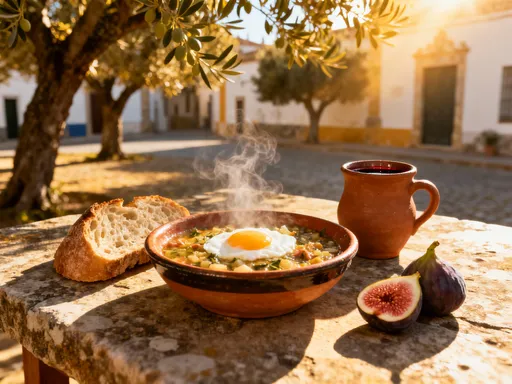
To taste Évora is to understand Alentejo. The city’s kitchens preserve recipes passed down through generations, where every dish carries a story of season, scarcity, and celebration. Among the most iconic is açorda à alentejana, a rustic bread soup that transforms humble ingredients into something extraordinary. Cubes of stale bread are soaked in a garlicky broth infused with coriander, then topped with a perfectly poached egg that melts into the mixture when broken. The result is warm, comforting, and deeply aromatic—a dish that feels like a hug from a Portuguese grandmother.
Equally essential is migas, a dish born from frugality but beloved for its richness. Sautéed breadcrumbs are cooked with olive oil, garlic, and often bits of fried pork or sausage, creating a texture that’s both crisp and tender. Served alongside roasted meats or grilled sardines, migas are a testament to the Alentejan philosophy of making the most of what’s available. Another standout is ensopado de borrego, a slow-cooked lamb stew simmered with red wine, onions, and bay leaves. The meat falls apart at the touch of a fork, its deep flavor intensified by hours of gentle cooking. This is food meant for cool evenings, shared around a wooden table with a carafe of local red.
For those with a sweet tooth, sericaia is a revelation. This delicate dessert, unique to the Alentejo, is made from eggs, milk, sugar, and a generous dusting of cinnamon, baked until just set. The texture is silky, almost custard-like, with a subtle sweetness that doesn’t overwhelm. Often served in small clay pots, it’s a humble dish with an elegant finish. Other treats include pão de rala, a marzipan-filled pastry, and torradas de Évora, thin toasted bread slices topped with sweet egg cream and baked until golden.
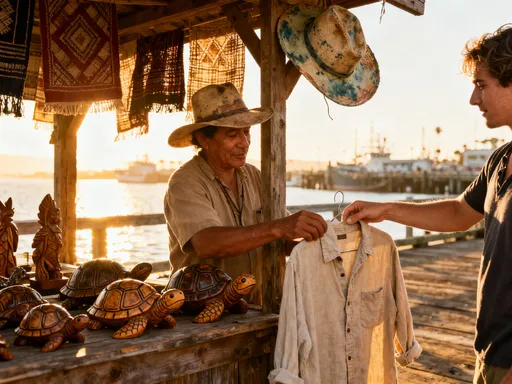
The best places to try these dishes are not glossy tourist restaurants, but small, family-run tascas tucked into quiet corners of the city. Look for places where the menu is handwritten, the tables are close together, and the owner greets regulars by name. Weekend markets, especially on Saturdays, offer another excellent opportunity to sample authentic flavors—booths selling handmade cheeses, grilled meats, and freshly baked bread provide both sustenance and a chance to connect with local producers. These are the moments when food becomes more than nourishment; it becomes memory.
Markets & Hidden Eateries: Where Locals Eat and Photographers Dream
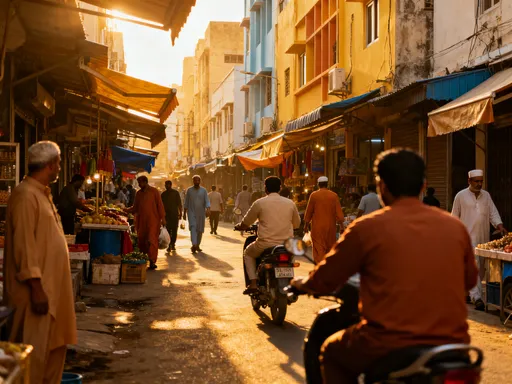
At the heart of Évora’s culinary life is the Mercado Municipal de Évora, a vibrant indoor market housed in a striking 19th-century iron structure. Stepping inside is an assault on the senses—in the best possible way. The air is thick with the salty tang of cured ham, the earthy scent of mushrooms, and the sweet perfume of ripe figs and melons. Stalls overflow with local treasures: wheels of sheep’s milk cheese dusted with paprika, strings of dried red peppers, jars of golden honey harvested from wildflowers, and cuts of black pork glistening under fluorescent light.
This is where Évora’s cooks come to shop, and where visitors can glimpse the raw ingredients that define the region’s cuisine. The cheese counter alone is worth the visit—try queijo de ovelha, a firm, tangy sheep’s milk cheese aged in olive oil and herbs. Nearby, butchers proudly display sausages like chouriço and alheira, each with its own blend of spices and smoke. Fishmongers offer fresh sardines, a staple of the Portuguese diet, while bakers sell round loaves of crusty bread with names like pão de Évora.
The market is also a haven for photographers. Mid-morning light streams through the glass roof, casting soft shadows across wooden crates and terracotta tiles. Vendors arrange their goods with instinctive artistry—pyramids of oranges, bundles of herbs tied with twine, stacks of hand-thrown pottery. A woman in a floral apron slices cheese with a well-worn knife; an old man examines a bunch of kale with careful eyes. These are not staged moments, but real, unguarded slices of life—perfect for capturing the soul of the place.
Near the market, tucked down unassuming alleys, are some of Évora’s most authentic eateries. These are not found in guidebooks, but through word of mouth and wandering. One might be a tiny spot with two tables and a wood-fired stove, serving only three dishes a day. Another could be a family-run tasca where the grandmother takes orders and the grandson grills sardines over charcoal. These places don’t need flashy signs or online reviews—they thrive on loyalty, flavor, and the quiet pride of doing one thing well. And because they’re off the main tourist path, they offer not just better food, but deeper connection.
Wine & Olive Oil: The Liquid Gold of Alentejo
No meal in Évora is complete without a glass of Alentejo wine, a category that has gained international acclaim in recent decades. The region’s hot days, cool nights, and diverse soils create ideal conditions for bold, expressive wines. Red varieties like Aragonez (also known as Tempranillo) and Trincadeira produce full-bodied wines with notes of dark fruit, spice, and earth—perfect companions to the region’s rich cuisine. White wines, often made from Antão Vaz and Alvarinho, are aromatic and crisp, ideal for pairing with seafood or cutting through the richness of olive oil-laden dishes.
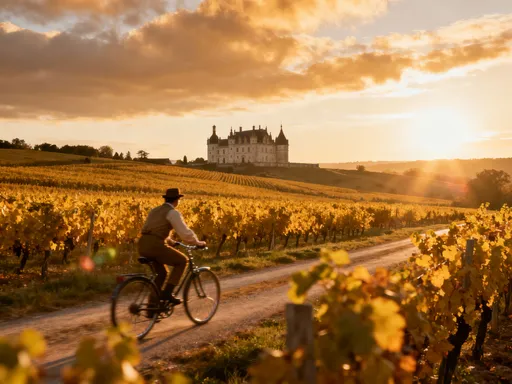
Just outside Évora, family-owned adegas (wineries) welcome visitors for tastings and tours. Unlike the grand châteaux of France, these are often modest, intimate operations where the winemaker might personally guide you through the vineyards and cellar. One such winery, set among rolling hills dotted with cork oaks, offers tastings on a shaded terrace overlooking the vines. As you sip a glass of deep ruby red, the winemaker explains how each vintage reflects the year’s rainfall, temperature, and harvest. It’s not just a tasting—it’s a lesson in terroir, tradition, and passion.
Equally vital to Alentejo’s identity is its olive oil. The region produces some of Portugal’s finest, with groves stretching across the countryside like green waves. The oil is cold-pressed, often within hours of harvest, resulting in a liquid that’s golden-green, fragrant, and alive with flavor. On the palate, it’s buttery at first, then finishes with a peppery kick—a sign of freshness and high polyphenol content. Locals use it generously: drizzled over soups, tossed with vegetables, or simply poured onto a plate with bread for dipping.
For food photographers, this is liquid gold in every sense. A droplet of olive oil catching the light on a slice of bread, a glass of red wine glowing in the afternoon sun, steam rising from a stew enriched with both wine and oil—these are the details that tell the story of Alentejo. They are not just ingredients; they are the essence of a place where flavor, beauty, and tradition flow as freely as the wine.
Photographing Flavor: Tips for Capturing Évora’s Culinary Soul
Capturing the essence of Évora’s food goes beyond snapping a picture of a plate. It’s about telling a story—one of place, people, and process. The best food photography here happens in natural light, particularly during the golden hours just after sunrise and before sunset. At these times, the sun casts a warm, diffused glow that enhances textures and colors without harsh shadows. A stone table in a quiet courtyard, lit by late afternoon light, becomes the perfect stage for a bowl of açorda, its surface glistening with olive oil and flecked with coriander.
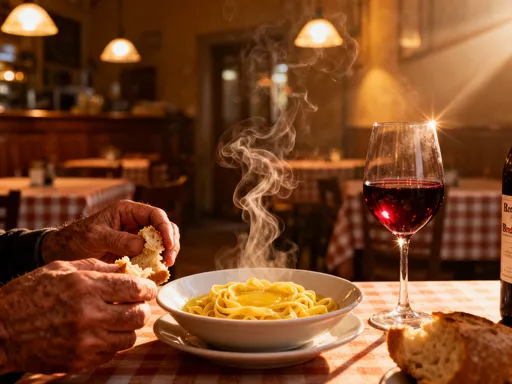
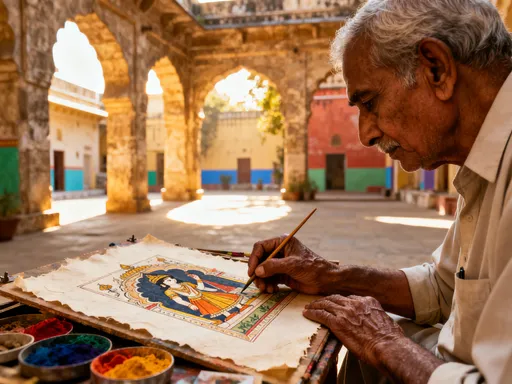
Pay attention to surfaces and props. Clay plates, wooden bowls, and linen napkins in earthy tones complement the rustic elegance of Alentejan cuisine. A weathered hand tearing a piece of bread, a bottle of local wine with a hand-labeled sticker, or a basket of figs fresh from the market—these details add authenticity and narrative depth. Don’t be afraid to get close. A macro shot of steam rising from a stew, a droplet of oil on a tomato, or the crumb structure of freshly baked bread can be more evocative than a wide-angle restaurant shot.
For smartphone users, turn on natural light mode and avoid flash. Use the grid feature to compose balanced shots, and tap to focus on the main subject. For DSLR or mirrorless users, a 50mm prime lens is ideal for food and detail shots, offering a natural perspective and beautiful depth of field. Shoot in aperture priority mode (A or Av) with a low f-stop (f/2.8 to f/5.6) to blur the background and draw attention to the dish.
But the most powerful images are often the ones that capture moments, not just meals. A vendor at the market arranging cheese with care, a cook pouring wine into a clay cup, a family sharing a meal in a sunlit patio—these are the scenes that convey warmth, tradition, and connection. They remind us that food is not just about taste, but about belonging. When you photograph these moments, you’re not just documenting a trip—you’re preserving a feeling.
Beyond the Plate: How Food Connects You to Évora’s Spirit
In Évora, food is the bridge between visitor and local, between observer and participant. It’s not uncommon to strike up a conversation over a shared table at a small tasca, or to receive an unexpected invitation to taste a homemade jam from a market vendor. I remember sitting at a corner table in a tiny restaurant, struggling to pronounce the name of a dish. The owner, noticing my hesitation, brought over a small plate of migas with a smile. “Try,” she said in broken English. “It’s what we eat when we’re happy.” We ended up talking for nearly an hour—about her grandmother’s recipes, the changing seasons, the joy of feeding others.
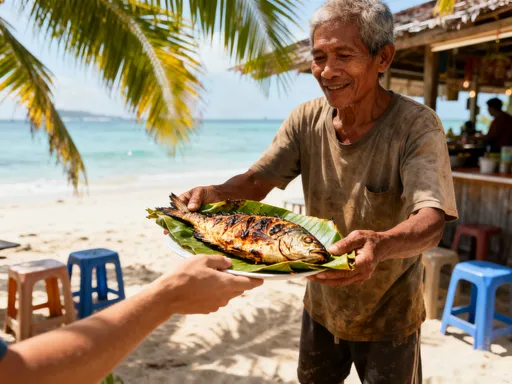
These moments are not staged or performative. They happen because food here is more than sustenance—it’s a language. A shared meal breaks down barriers, opens hearts, and creates instant kinship. When you accept a glass of wine from a stranger, or when a baker hands you a warm roll “just because,” you’re not just receiving food. You’re being welcomed into a culture that values generosity, slowness, and human connection.
This is the true spirit of travel—not checking off landmarks, but collecting moments of warmth and authenticity. Évora teaches you to slow down, to savor, to listen. It reminds you that the best experiences are often the unplanned ones: a conversation sparked by a question about ingredients, a spontaneous invitation to a family lunch, a silent toast with a local over a glass of red as the sun sets behind ancient walls.
And when you leave, you carry more than photos or souvenirs. You carry the taste of coriander and olive oil, the sound of laughter in a crowded tasca, the feeling of being seen and welcomed. You carry the understanding that food, when rooted in place and shared with heart, has the power to transform a trip into a journey—one that nourishes not just the body, but the soul.
Évora doesn’t just feed you—it fills you with light, flavor, and memory. Whether you come for the photos or the food, you’ll leave with both, deeply intertwined. This is what travel should feel like: real, rich, and beautifully unfiltered.