Step Off the Sand, Into the City: Walking Malé’s Beating Heart
You know what? Malé isn’t just a stopover—it’s a living, breathing urban pulse in the middle of the Indian Ocean. I laced up my walking shoes and discovered a world beyond resorts: narrow alleyways, bustling markets, and vibrant street life. This is real. This is raw. And honestly? You gotta experience it on foot. The city’s compact chaos hides surprising charm, and every step tells a story. Often overlooked as merely a transit point to luxury island getaways, Malé reveals its soul only when approached on foot. Walking its streets offers an intimate portrait of Maldivian life—where tradition and modernity intersect, where community thrives in tight quarters, and where authenticity isn’t staged, it’s lived. This is not the Maldives you see in glossy brochures. This is the Maldives you feel.
Rethinking Malé – More Than an Airport Stop
For most travelers, Malé is a blur of brief transfers—ferry rides to seaplanes, airport shuttles, and hurried customs checks. Yet reducing this capital city to a mere logistical pitstop is to miss one of the most unique urban experiences in the Indian Ocean. As one of the world’s most densely populated cities, with over 200,000 people living within just 8.3 square kilometers, Malé pulses with an energy that defies its size. Its narrow streets are not designed for grand tours but for daily life—commuters, children heading to school, shopkeepers opening shutters, and fishermen returning with the morning’s catch. These rhythms form the city’s true soundtrack.
What makes Malé especially compelling is its contrast to the Maldivian resort experience. While luxury islands offer tranquility, privacy, and curated luxury, Malé offers immersion, spontaneity, and cultural depth. This is where Maldivians live, work, and worship—not in isolation, but in close-knit proximity. To walk through Malé is to step into the everyday reality of a nation often perceived solely through the lens of tourism. It’s a chance to witness how a small island city sustains itself, adapts to spatial constraints, and maintains identity amid rising sea levels and rapid development.
By choosing to explore Malé on foot, travelers gain access to moments that no guided bus tour or resort excursion can provide. A shared smile with a grandmother selling dried fish. The scent of cardamom and curry leaves drifting from a street kitchen. The sound of the call to prayer echoing between pastel-colored buildings. These are not staged performances for tourists; they are the unfiltered fabric of urban Maldivian life. Walking becomes a form of quiet diplomacy—a way to connect, observe, and appreciate without intrusion.
The Compact Urban Fabric: Why Malé Works for Walking
At just over eight square kilometers, Malé is one of the smallest capital cities in the world by land area, yet it houses the majority of the Maldives’ population. Its compactness is precisely what makes it ideal for pedestrian exploration. Unlike sprawling metropolises that demand subways or taxis, Malé can be crossed on foot in under an hour. This walkability transforms the city into an open-air museum of urban resilience, where every block reveals layers of history, culture, and innovation.
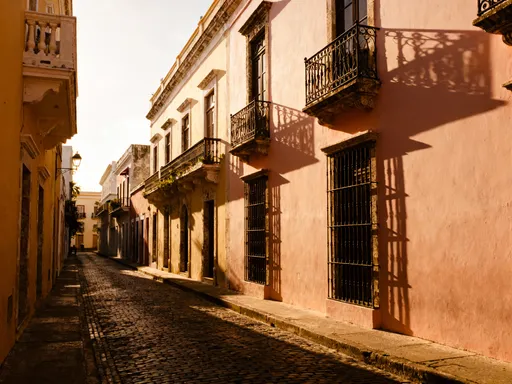
The city’s grid-like structure, though not perfectly uniform, allows for intuitive navigation. Streets are narrow, often just wide enough for a single vehicle, lined with tightly packed buildings that rise three to five stories. Balconies hang over sidewalks, laundry flutters in the breeze, and flowerpots perch on windowsills—small signs of life in a densely built environment. What’s remarkable is how seamlessly different functions coexist: a mosque shares a corner with a stationery shop, a schoolyard backs onto a fish market, and government offices open directly onto residential lanes.
This blending of uses creates a dynamic street life rarely seen in planned cities. There are no sterile zones or isolated commercial districts. Instead, commerce, worship, education, and domestic life unfold simultaneously at street level. For the walking traveler, this means constant engagement—each turn presents a new scene, a different rhythm, a fresh sensory detail. The city doesn’t reveal itself all at once; it unfolds gradually, rewarding patience and curiosity.
Moreover, Malé’s lack of large parks or open spaces is compensated by the density of human activity. Sidewalks may be narrow, but they are always in use—by pedestrians, delivery workers on bicycles, and families out for evening strolls. The city’s energy is palpable, especially during morning and late afternoon hours when daily routines peak. For visitors accustomed to the silence of resort islands, Malé offers a refreshing counterpoint: a reminder that the Maldives is not just a postcard paradise, but a living, evolving nation with an urban heartbeat.
Starting Point: The Arrival Experience and M. Thuraakunu Magu
The journey into Malé begins at the waterfront. Whether arriving by domestic ferry or international flight followed by a short boat transfer, the first glimpse of the city skyline—low-rise buildings painted in coral pinks, sky blues, and sun-bleached yellows—sets the tone for what’s to come. The harbor area is alive with movement: cargo boats unloading supplies, fishing dhonis returning with nets full of tuna, and commuters boarding public ferries. It’s a working city, not a showcase, and that authenticity is part of its appeal.
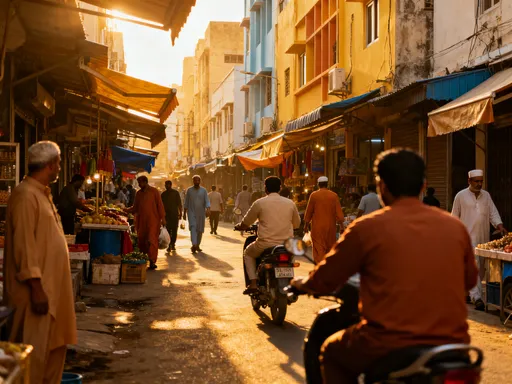
From the jetty, one of the most natural entry points into the city’s rhythm is M. Thuraakunu Magu, one of Malé’s main arteries. This bustling thoroughfare runs through the heart of the city, connecting key neighborhoods and serving as a central corridor for commerce and transit. As you step onto the sidewalk, the pace quickens—motorbikes weave through traffic, shopkeepers sweep their storefronts, and the aroma of freshly baked short eats (a local pastry) drifts from roadside bakeries.
What makes M. Thuraakunu Magu so revealing is its mix of functions. Government buildings stand alongside small family-run shops selling everything from phone chargers to prayer mats. Banks, pharmacies, and clothing stores operate side by side, often with handwritten signs and open doors. Unlike commercial strips designed for tourism, this street serves locals first. There are no souvenir stalls or overpriced cafes catering to foreigners. Instead, you’ll find real businesses meeting real needs—tailors altering clothes, phone repairmen fixing screens, and women buying fabric for traditional outfits.
Walking this street offers a lesson in urban efficiency. Space is precious, so every inch is used purposefully. Storage is vertical, signage is compact, and deliveries happen early in the morning to avoid congestion. Despite the density, there’s a sense of order—a shared understanding of how to live closely without conflict. For the observant traveler, M. Thuraakunu Magu is not just a road, but a narrative of adaptation, resilience, and community.
Heart of the City: Local Markets and Daily Commerce
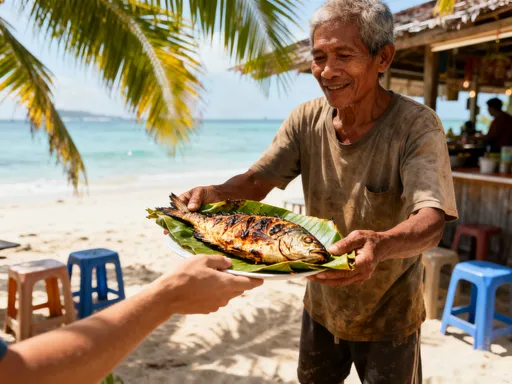
No visit to Malé is complete without a walk through its vibrant local markets, where the city’s economic and cultural life converges. The fish market, located near the harbor, is a sensory highlight. Rows of concrete stalls display the morning’s catch—yellowfin tuna, reef fish, octopus, and lobster—arranged with care by vendors in rubber boots. The air is thick with the briny scent of the sea, mixed with the sharp tang of ice and the faint smokiness of drying fish. This is not a sanitized market for tourists; it’s a working hub where fish are cleaned, weighed, and sold within hours of being caught.
Nearby, the fruit and vegetable market bursts with color. Piles of ripe mangoes, pineapples, bananas, and breadfruit sit under shaded awnings. Imported goods like onions, potatoes, and apples are carefully rationed due to shipping constraints, making them more valuable than in larger countries. Vendors call out prices in Dhivehi, the local language, and haggle gently with regular customers. Observing these exchanges offers insight into the rhythms of daily life—what’s in season, what’s scarce, and how families plan their meals around availability.
What stands out in these markets is the absence of performative tourism. There are no staged demonstrations or photo opportunities. Instead, commerce happens naturally, driven by necessity and tradition. Women in colorful abayas select fish for curries, men buy coconuts for fresh juice, and children help carry bags of rice. These are not scenes staged for cameras—they are the real economy of the capital.
For visitors, the key is to observe with respect. Taking photos should be done discreetly and only with permission. Engaging with vendors through simple greetings or asking about ingredients can lead to warm interactions. Many appreciate the interest in their work, especially when approached with humility. Buying a piece of fruit or a snack from a street vendor is not just a transaction—it’s a small act of connection, a way to participate in the city’s daily flow.
Sacred Spaces: Mosques and Religious Life in Public View
Amid the urban density, mosques rise as quiet anchors of community and faith. The most prominent is the Grand Friday Mosque, or Hukuru Miskiy, a national monument built from coral stone in the 17th century. Its whitewashed walls and wooden domes stand in contrast to the surrounding modern buildings, offering a glimpse into Malé’s historical and spiritual roots. As the main place of worship for Friday prayers, it draws hundreds of men in white thobes, creating a powerful visual of communal devotion.
Visitors are welcome to view the exterior and, in some cases, enter the courtyard, provided they dress modestly and maintain silence. Women should cover their hair, arms, and legs; men should avoid shorts. Photography is generally permitted from a distance, but not during prayer times. The atmosphere around the mosque shifts throughout the day—calm in the morning, intense during Friday sermons, and serene again by evening.
Religion is not confined to mosques in Malé; it shapes the city’s rhythm. The call to prayer echoes five times daily, pausing the flow of commerce. Shops close briefly, streets quiet, and even traffic seems to slow. This regular pause is a reminder that time in Malé is measured not just by clocks, but by faith. For travelers, these moments offer a chance to reflect, to step back from constant movement, and to appreciate a different relationship with time.
Other smaller mosques dot the city, often tucked between homes or at street corners. Their presence underscores how integrated religious life is with daily routines. Unlike in secular cities where places of worship may feel separate, in Malé, faith is visible, audible, and communal. Respecting this reality—by dressing appropriately, lowering voices near prayer areas, and avoiding disruptions—is essential for any visitor seeking to understand the city on its own terms.
Hidden Corners: Parks, Cafés, and Unexpected Greenery
Amid the concrete and coral stone, Malé offers small sanctuaries of calm. Sultan Park, one of the city’s few green spaces, is a popular retreat for families, couples, and elderly residents. Lined with palm trees, flowering shrubs, and shaded benches, it provides a rare opportunity to sit outdoors without the press of traffic. Children play on modest playground equipment, elders sip tea, and young people gather in quiet conversation. On weekends, the park buzzes with life, offering a glimpse of how Maldivians create leisure within tight spaces.
Nearby, local cafés serve as social hubs. These are not Western-style coffee shops but simple storefronts where men (and increasingly women) gather over black tea, short eats, and conversation. The air is filled with the clink of glasses and the murmur of discussion—about politics, sports, or family news. These spaces are informal, unpretentious, and deeply rooted in community. Sitting in one, even quietly, allows a traveler to absorb the city’s social pulse.
What’s remarkable is how greenery persists despite spatial limits. Balcony gardens, potted plants, and rooftop vegetable patches show a deep appreciation for nature. Even in the densest blocks, you’ll find hibiscus blooms, jasmine vines, or coconut trees reaching skyward. These small touches soften the urban landscape, adding color and life to narrow streets. They reflect a cultural value: that beauty and nature, however modest, are essential to well-being.
These quiet corners do not erase Malé’s intensity, but they balance it. They remind visitors that even in one of the world’s most crowded cities, people find ways to rest, connect, and breathe. For the walking traveler, discovering these pockets is like finding oases in an urban desert—moments of pause that deepen the overall experience.
Practical Tips for the Urban Walker: Navigation, Etiquette, and Timing
To fully enjoy Malé on foot, a few practical considerations can make a big difference. The best times to walk are early morning (6–8 a.m.) or late afternoon (4–6 p.m.), when temperatures are cooler and daily life is in full swing. Midday heat can be intense, especially with limited shade, so hydration is crucial. Carry a reusable water bottle—bottled water is widely available, but refills help reduce plastic waste.
Footwear should be comfortable and breathable. While Malé is walkable, sidewalks can be uneven, and some areas lack proper paving. Closed shoes are recommended, especially near the fish market or industrial zones. A lightweight hat, sunglasses, and sunscreen will help protect against sun exposure.
Navigation can be challenging due to limited street signage. Google Maps works well for major roads, but smaller lanes may not be labeled. Don’t hesitate to ask for directions—locals are generally helpful, especially if you show respect and politeness. Learning a few basic Dhivehi phrases, like “hello” (assalaamu alaikum) and “thank you” (shukuriyya), goes a long way.
Cultural sensitivity is essential. Avoid loud conversations or disruptive behavior, especially near mosques or residential areas. When photographing people, always ask first. Some families prefer privacy, and children should never be photographed without parental consent. Dress modestly—shoulders and knees covered—as a sign of respect for local norms.
Finally, embrace the pace. Malé is not a city to rush through. Let yourself wander, pause, and observe. The richest experiences come not from ticking off landmarks, but from the unplanned moments: a shared laugh, a whiff of curry, a glimpse of a wedding procession turning a corner. These are the true souvenirs of the city.
Finding the Soul of the Maldives in Its Capital
Walking Malé changes how you see the Maldives. Beyond the postcard-perfect beaches and luxury resorts lies a nation with a vibrant urban core, a rich cultural fabric, and a resilient spirit. This city, pressed by space and shaped by the sea, offers a different kind of beauty—one found in human connection, daily rituals, and quiet perseverance.
To walk its streets is to witness the real Maldives: not as a fantasy escape, but as a living society navigating modernity while holding fast to tradition. It’s a place where faith, family, and community remain central, where every alley tells a story, and where hospitality extends even to passing strangers.
So the next time you transit through Malé, consider staying a little longer. Step off the ferry, lace up your shoes, and walk. Let the city guide you. You’ll leave not just with photos, but with a deeper understanding of a nation that thrives not despite its challenges, but because of its people. In the end, the soul of the Maldives isn’t just in its waters—it’s in the heartbeat of its capital.