Beyond the Diamond District: Chasing Nature’s Quiet Wonders in Antwerp
You know Antwerp for diamonds, fashion, and old-world charm—but what if I told you it’s also a gateway to breathtaking natural beauty? Hidden beyond the city’s cobbled streets are serene forests, winding rivers, and wild green spaces most travelers never see. I set out to uncover Antwerp’s quieter side, and what I found was pure magic. This isn’t just a city break—it’s a journey where urban elegance meets untouched nature. While many come for the boutiques and baroque churches, few realize that within a short ride from the city center, misty woodlands stretch into the horizon, rivers whisper through reed beds, and birdsong replaces the hum of traffic. This is Antwerp as it’s rarely seen: calm, green, and deeply restorative.
Rethinking Antwerp: More Than Just a City of Art and Commerce
Antwerp has long held a distinguished place on the global stage. Known as one of Europe’s leading fashion capitals, the city nurtures design talent through its famed Royal Academy of Fine Arts, launching the careers of visionaries like Dries Van Noten and Ann Demeulemeester. Its historic port, one of the largest in the world, pulses with economic vitality, linking Belgium to international trade routes for centuries. The city center dazzles with Gothic spires, Art Nouveau façades, and a vibrant café culture that invites lingering over espresso and waffles. Yet beneath this polished, cosmopolitan surface lies a quieter, often overlooked dimension—Antwerp’s rich natural landscape.
In recent years, traveler preferences have shifted dramatically. The traditional checklist of must-see landmarks—museums, monuments, and markets—no longer satisfies the modern explorer. Instead, there is a growing desire for immersive, authentic experiences that foster connection—to place, to self, and to the rhythms of nature. People are seeking moments of stillness amid their travels, spaces where they can breathe deeply and reset. Antwerp, with its seamless blend of urban sophistication and accessible wilderness, offers exactly that. It invites visitors not just to observe, but to step into a slower, more mindful way of moving through the world.
This evolving travel mindset makes Antwerp uniquely positioned to deliver both cultural richness and natural serenity. While cities like Paris or Milan may offer grandeur and glamour, few provide such immediate access to wild green spaces. Here, you can admire a Rubens masterpiece in the morning and by afternoon, wander beneath a canopy of ancient oaks. The contrast is not jarring—it’s harmonious. The city does not end where nature begins; rather, they flow into one another, connected by rivers, bike paths, and centuries-old parklands. This integration is what makes Antwerp’s natural offerings so special: they are not escapes from the city, but essential parts of its soul.
The Green Lungs of Antwerp: Exploring the City’s Urban Forests
Just a short distance from the bustling city center lies one of Antwerp’s best-kept secrets: the expansive forested area surrounding Bosuilstadion, near the Dutch border. Often overshadowed by the nearby football stadium, this green expanse is, in truth, a sanctuary for both locals and inquisitive travelers. Known locally as the Wintershovenbos or part of the larger De Kempen region, this woodland offers a network of well-marked walking and cycling trails that wind through dense thickets, open meadows, and tranquil ponds. The air here feels different—cooler, cleaner, alive with the rustle of leaves and the distant call of woodpeckers.
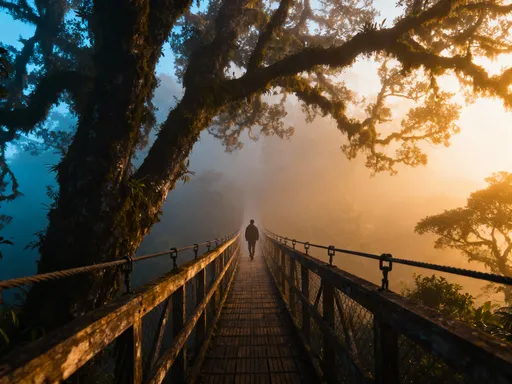
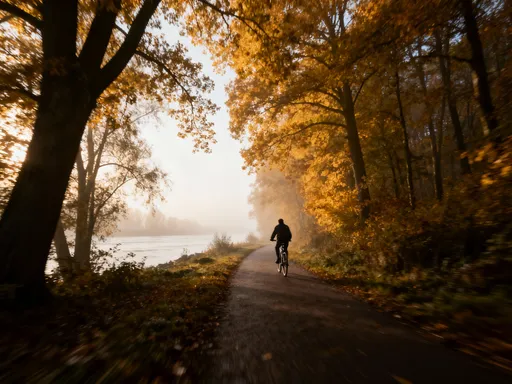
Walking through these forests is an experience that engages all the senses. In spring, the forest floor blooms with wild garlic and wood anemones, their delicate white flowers carpeting the ground beneath budding beech trees. Summer brings a dense canopy that filters sunlight into dappled patterns on the path. Autumn transforms the woods into a tapestry of amber, gold, and crimson, while winter reveals the stark, elegant lines of bare branches against pale skies. Birdwatchers will delight in spotting species like the Eurasian nuthatch, common buzzard, and even the elusive nightingale during migration season. Benches placed at scenic clearings invite quiet reflection, and small wooden bridges cross babbling brooks that feed into the surrounding wetlands.
One of the most remarkable aspects of Antwerp’s urban forests is their accessibility. Travelers can reach the Bosuil area in under 30 minutes by bicycle from the city center, thanks to Belgium’s extensive and well-maintained network of bike paths. Public transport options, including trams and regional buses, also provide convenient access, making it easy for families, solo travelers, and older visitors to enjoy these green spaces without needing a car. Unlike remote national parks that require full-day excursions, these forests offer a seamless extension of the city experience—peaceful enough to feel like a retreat, yet close enough to return for a late lunch in a riverside café.
For residents, these woodlands serve as vital green lungs, improving air quality and providing a natural buffer against urban heat. For visitors, they offer a chance to slow down and reconnect. Whether you’re walking with a child, walking a dog, or simply walking in silence, the forest provides a rare commodity in modern travel: uninterrupted calm. And because these spaces are well-preserved and thoughtfully managed, they remain pristine without feeling overly curated. There are no ticket booths or crowds—just trees, trails, and the occasional fellow wanderer offering a quiet nod of recognition.
Along the Scheldt: Rediscovering Antwerp’s River Soul
The Scheldt River is the lifeblood of Antwerp, shaping its history, economy, and identity. Flowing from northern France through Belgium and into the North Sea, this mighty waterway has long served as a conduit for trade, culture, and connection. But beyond its industrial importance, the Scheldt also holds a quieter, more poetic role—as a natural corridor where city and countryside converge. Along its banks, a network of promenades, observation decks, and quiet docks offers travelers a chance to experience the river not as a backdrop, but as a living, breathing presence.
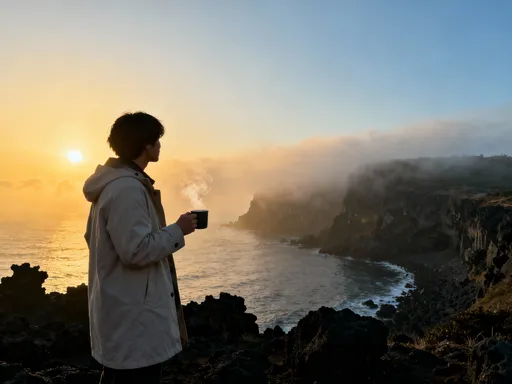
One of the most serene stretches is found along the Kattendijkdok and Waalse Krook areas, where the river widens and the pace of life slows. Here, the water reflects the changing sky—steel gray in winter, shimmering blue in summer—and the distant hum of port activity fades into a gentle rhythm of lapping waves. Benches line the quays, perfect for watching cargo ships glide past like slow-moving giants or for observing cormorants drying their wings on wooden pilings. At sunrise, the mist rises off the water in delicate curls, and the city skyline emerges gradually, softened by the morning light. It’s a moment of quiet magic, available to anyone willing to rise early and seek it out.
For a more dynamic perspective, the local ferry system offers a sustainable and scenic way to experience the Scheldt. The iconic Stadsschelde ferry connects Antwerp’s right and left banks, providing panoramic views of the skyline, the port’s impressive cranes, and the surrounding wetlands. Unlike tourist cruises that prioritize commentary and convenience, this public service ferry moves quietly and efficiently, allowing passengers to simply be present. Riders include commuters, cyclists, and curious visitors, all sharing a brief, wordless communion with the river. The crossing takes only minutes, but the sense of transition—from urban hustle to riverside calm—is profound.
The Scheldt also plays a crucial role in Antwerp’s ecological health. Efforts to restore native fish populations, reduce pollution, and protect riparian habitats have gained momentum in recent years. Local organizations work to monitor water quality and engage the public in conservation, reminding residents and visitors alike that the river is not just a scenic feature, but a fragile ecosystem. Interpretive signs along the banks explain the importance of reed beds in filtering water and the role of migratory birds in maintaining biodiversity. In this way, the river becomes not only a place of beauty but also a teacher—offering quiet lessons in balance, resilience, and interdependence.
Hidden Wetlands and Nature Reserves: A Sanctuary Beyond the Map
Beyond the city’s immediate outskirts, Antwerp Province unfolds into a mosaic of wetlands, polders, and floodplain forests—spaces that are ecologically vital yet often overlooked by travelers. Among the most significant of these is the Kruibeke Polder, a protected area where the Scheldt and Rupel rivers meet. This expansive floodplain functions as a natural sponge, absorbing excess water during heavy rains and reducing the risk of urban flooding. But it is also a haven for wildlife, supporting over 200 bird species, including herons, kingfishers, and wintering geese that arrive from northern Europe.
The Zwinders area, another quiet gem, consists of restored grasslands and seasonal ponds that burst into life each spring. Once used for agriculture, these lands have been carefully rewilded to support native flora and fauna. Walking through Zwinders, one might spot the flash of a dragonfly over still water, the tracks of a fox in the mud, or the delicate bloom of marsh marigold along a ditch. Interpretive trails guide visitors through different habitats, explaining how traditional land management practices—like controlled grazing and mowing—help maintain biodiversity. These are not wildernesses in the dramatic sense, but carefully tended landscapes where nature and human stewardship coexist.
For travelers seeking solitude and a sense of discovery, these wetlands offer something rare: the feeling of being off the map. There are no souvenir shops, no guided bus tours, no crowds. Access is straightforward but unobtrusive—small parking areas, unmarked footpaths, and information boards in Dutch and English. The best times to visit are early morning or late afternoon, when the light is soft and the animals are most active. A pair of binoculars, a water-resistant jacket, and a quiet disposition are the only essentials. Visitors are encouraged to stay on marked paths, avoid disturbing wildlife, and carry out all waste—simple practices that help preserve the integrity of these sensitive areas.
What makes these reserves so powerful is not their scale, but their stillness. In a world of constant noise and stimulation, places like Kruibeke and Zwinders offer a different kind of richness—one measured in silence, in the ripple of a frog jumping into water, in the slow drift of clouds across an open sky. They remind us that wonder does not always require grandeur. Sometimes, it is found in the flutter of a reed warbler’s wing or the faint gurgle of a hidden stream. For the mindful traveler, these spaces are not just destinations—they are invitations to listen, to observe, and to remember our place within the natural world.
Seasonal Shifts: When Nature Takes Center Stage
One of the most enchanting aspects of Antwerp’s natural spaces is how they transform with the seasons. Unlike static urban landmarks, these landscapes are alive, evolving, and deeply responsive to the rhythms of the year. Each season paints the city’s green spaces in a new palette, offering distinct moods, activities, and sensory experiences that invite repeated visits.
In spring, Antwerp awakens with a burst of color and sound. Parks like Rivierenhof come alive with cherry blossoms, their delicate pink and white blooms drawing quiet crowds for contemplative walks. Daffodils and tulips line the pathways, and the air carries the sweet scent of blooming willow and hawthorn. Birdsong reaches a crescendo as migratory species return, and ponds teem with tadpoles. It is a season of renewal, perfect for gentle strolls, family picnics, or simply sitting on a bench and watching the world come back to life.
Summer deepens the green, turning forests into cool, shaded retreats from the city’s warmth. The Scheldt’s banks become social spaces, where locals gather for open-air dinners, cyclists cruise along riverside paths, and children paddle in shallow waters. Wildflowers bloom in meadows, and dragonflies dart above still ponds. Early mornings and late evenings are ideal for walking, when the heat subsides and the light turns golden. It is a season of abundance, when nature feels generous and expansive.
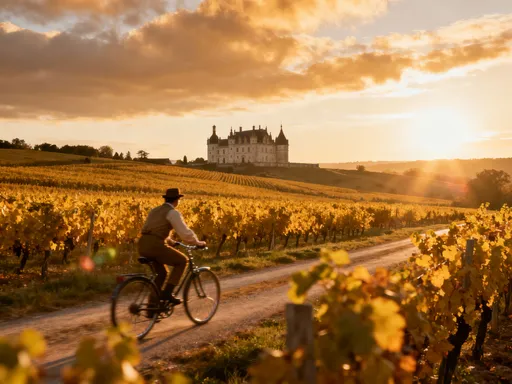
Autumn brings a quieter, more introspective beauty. The forests of De Kempen glow with warm hues—oak leaves turning russet, birch trees shimmering in gold. Mornings are often wrapped in mist, and the sound of falling leaves creates a soft, rhythmic hush. It is a favorite time for photographers and poets, when the landscape feels both majestic and melancholy. Mushroom foragers (with proper permits) search for chanterelles and ceps, while walkers savor the crispness in the air and the scent of damp earth.
Winter, though often overlooked, offers its own subtle magic. Frost coats the grass in silver, and frozen puddles crackle underfoot. The bare branches of trees reveal their intricate architecture, and the silence is profound. Birdwatchers may spot wintering thrushes or flocks of fieldfares. On clear mornings, the rising sun casts long shadows across the snow-dusted fields, and the world feels hushed, as if holding its breath. For those willing to bundle up and venture out, winter in Antwerp’s natural spaces is a lesson in stillness and resilience.
Sustainable Exploration: How to Experience Nature Responsibly
As interest in nature-based travel grows, so does the responsibility to protect these fragile environments. Antwerp’s forests, rivers, and wetlands are not infinite resources—they are living systems that require care and respect. Travelers can enhance their experience while minimizing impact by adopting simple, eco-conscious habits. Staying on marked trails prevents soil erosion and protects plant life. Carrying out all trash—especially plastics—ensures that wildlife remains safe. Avoiding loud noises and sudden movements allows animals to thrive undisturbed, preserving the sense of peace that draws visitors in the first place.
Local initiatives play a key role in conservation. Organizations like Natuurpunt and Bond Beter Leefmilieu run volunteer programs for habitat restoration, tree planting, and species monitoring. Visitors can support these efforts by making small donations, participating in guided clean-up events, or simply spreading awareness. Many nature reserves offer free educational materials and mobile apps that help users identify birds, plants, and insects—turning a simple walk into a deeper learning experience.
Transportation choices also matter. Opting for public transit, cycling, or walking to natural sites reduces carbon emissions and aligns with Belgium’s strong cycling culture. Bike rental services are widely available in Antwerp, and many trails are fully accessible by two wheels. For longer excursions, regional trains and buses connect the city to surrounding nature areas with ease. Guided eco-tours, led by certified naturalists, offer a structured way to explore while ensuring environmental guidelines are followed.
Ultimately, sustainable travel is about mindset. It means approaching nature not as a commodity to be consumed, but as a gift to be cherished. It means leaving no trace, showing gratitude, and recognizing that these spaces belong not just to us, but to future generations. When travelers adopt this attitude, their journey becomes more meaningful—and the landscapes they love are more likely to endure.
From City Streets to Wild Paths: Planning Your Nature-Focused Itinerary
Blending urban exploration with natural immersion is easier than many realize. A well-planned 2-3 day itinerary can offer a rich, balanced experience of Antwerp—one that satisfies cultural curiosity and nourishes the spirit. Start on day one with a morning visit to the Grote Markt, the city’s grand central square, followed by the Cathedral of Our Lady and a stroll through the fashion district. By early afternoon, rent a bike and ride to the Rivierenhof Park, where manicured gardens and forested trails provide a gentle introduction to the city’s green side. Enjoy a picnic by the lake, then return to the city for a quiet dinner in the Het Eilandje neighborhood.
On day two, dedicate time to deeper nature immersion. Take the tram to the Bosuil area and spend the morning walking or cycling through the forest. Pack a light lunch and eat in a secluded clearing. In the afternoon, board the Stadsschelde ferry for a scenic crossing, then explore the Waalse Krook promenade. If time allows, visit the nearby Rederijkerspad nature path, a quiet riverside trail popular with locals. End the day with a meal at a sustainable restaurant featuring regional ingredients.
For a third day, venture slightly further to the Kruibeke Polder. Arrive early to catch the morning light and bird activity. Walk the circular trail that loops through the floodplain, pausing at observation towers for panoramic views. Bring binoculars and a field guide if possible. Return in the afternoon for a relaxed coffee in the city, reflecting on the contrasts experienced. Ideal times to visit natural sites are weekday mornings, when crowds are minimal. Packing essentials include comfortable shoes, a reusable water bottle, weather-appropriate clothing, and a small backpack.
This balanced approach—alternating urban energy with natural calm—enhances overall travel satisfaction. It allows visitors to appreciate Antwerp not as a single-note destination, but as a layered, multifaceted place where history, culture, and nature coexist in harmony. The result is not just a trip, but a transformation—a deeper connection to place, and to oneself.
Conclusion
Antwerp reveals itself differently when you slow down and step off the beaten path. Its natural wonders aren’t grand alpine peaks or dramatic coastlines—they’re subtle, quiet, and deeply restorative. By embracing both its urban energy and its green whispers, travelers gain a fuller, more meaningful experience. This is not just sightseeing; it’s soul-nourishing exploration at its finest. Let Antwerp surprise you—one forest trail, one river breeze, one silent sunrise at a time.