Galápagos Gems: Where Iconic Landmarks Meet Unforgettable Shopping
You know that feeling when a place blows your mind not just with its nature, but with its vibe? The Galápagos isn’t just giant tortoises and lava fields—its landmarks are gateways to unique local culture. I never expected to find such authentic craftsmanship tied to iconic sites. From volcanic viewpoints to coastal plazas, shopping here tells a story. It’s not about souvenirs—it’s about connection. Each hand-carved turtle, every woven bag dyed with volcanic earth pigments, carries the pulse of an island community deeply rooted in conservation and tradition. This is shopping with soul, where every purchase honors both the land and the people who protect it.
The Heartbeat of the Islands: Santa Cruz’s Main Wharf & Craft Market
Puerto Ayora, the largest town in the Galápagos archipelago, pulses with life along its main wharf—a place where nature, history, and commerce converge. This waterfront promenade is more than a docking point for pangas and tourist boats; it’s the cultural and commercial heart of Santa Cruz Island. As sea lions nap beside fishing nets and pelicans dive near wooden pilings, local artisans line the walkway with colorful stalls that invite visitors into a world of island-made treasures. The rhythm of daily life here blends seamlessly with tourism, creating an atmosphere that feels both authentic and welcoming.
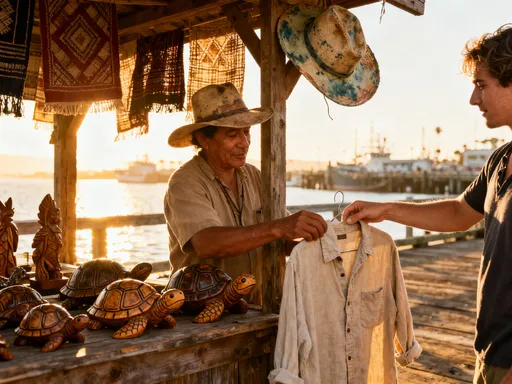
The craft market near the wharf offers a curated glimpse into Galápagos creativity. Vendors display hand-carved marine life sculptures—iguanas, blue-footed boobies, and hammerhead sharks—meticulously shaped from sustainable hardwoods like mangle (mangrove). These carvings are not mass-produced; each piece reflects the artist’s intimate knowledge of the islands’ wildlife. Organic cotton apparel, dyed with natural pigments from local plants, features island motifs and subtle embroidery that honors endemic species. Jewelry made from recycled ocean glass and reclaimed fishing nets transforms environmental challenges into wearable art, symbolizing resilience and renewal.
For travelers seeking ethical shopping experiences, the key lies in identifying genuine local makers. Many vendors proudly display signs indicating “Hecho en Galápagos” (Made in Galápagos) or include their names and communities. These personal touches distinguish authentic craftsmanship from imported goods disguised as local. Visitors are encouraged to ask questions—where was this made? Who created it?—as a way to build connections and ensure their support goes directly to island families. Additionally, co-op-run kiosks often provide transparency about production methods and fair wages, reinforcing sustainable tourism values.
Shopping at the Santa Cruz wharf is not merely transactional; it’s an invitation to participate in the islands’ cultural preservation. By choosing locally made items, travelers contribute to an economy that prioritizes ecological balance and community well-being. The wharf, once a simple landing point for fishermen and early settlers, has evolved into a vibrant marketplace where stories are exchanged as freely as goods. Here, tourism and tradition walk hand in hand, ensuring that the heartbeat of the Galápagos continues to thrive.
Santiago’s Jetty: Nature’s Backdrop for Hidden Artisan Stalls
On the northeastern coast of Santiago Island, James Bay’s wooden jetty stands as a quiet testament to the harmonious relationship between conservation and culture. Though modest in size, this historic pier serves as a crucial access point for guided landings and wildlife observation. Less known to casual tourists is its role as an informal hub for artisanal expression. Here, local naturalist guides—many of whom are also skilled artists—set up small stalls during off-hours, offering hand-painted postcards, watercolor sketches of marine life, and eco-friendly travel essentials like sea-safe sunscreen and reusable bamboo straws.
What makes this marketplace unique is its deep integration with the natural environment. The products sold reflect the very ecosystems visitors come to see. A guide might paint a scene of Sally Lightfoot crabs scrambling over black lava rock moments after leading a tour past the same sight. These postcards aren’t generic souvenirs; they capture real moments witnessed by both artist and traveler. Similarly, the sunscreen available here is formulated without oxybenzone or octinoxate—chemicals known to harm coral reefs—aligning with the Galápagos’ strict environmental regulations and reinforcing responsible tourism practices.
Conservation efforts directly influence what can be sold and how. For instance, no products made from coral, shells, or endangered species are permitted under park rules, ensuring that commerce does not compromise ecological integrity. Materials used in crafts are often sourced sustainably: reclaimed wood, plant-based dyes, and recycled paper. This adherence to environmental ethics enhances the authenticity of the items, making them more meaningful to those who purchase them. Visitors often leave not only with a keepsake but with a deeper understanding of the delicate balance that sustains the islands.
The low-key nature of Santiago’s jetty market fosters some of the most genuine human interactions in the archipelago. Without the pressure of high-volume sales, conversations unfold naturally. A traveler might learn about the migration patterns of sea turtles while browsing a sketchbook, or hear a firsthand account of a rare whale sighting. These exchanges enrich the experience far beyond the item purchased. In a world where tourism can sometimes feel transactional, this quiet corner of the Galápagos reminds us that connection happens best in simplicity, beneath the shade of a palo santo tree, with the Pacific breeze carrying stories from guide to guest.
Floreana’s Post Office Bay: A Living Legend with a Shopping Twist
Floreana Island holds one of the most enduring maritime traditions in the Pacific: the historic barrel mail system at Post Office Bay. Established in the late 18th century by whalers, this informal postal network allowed sailors to leave letters in a wooden barrel, hoping another passing ship would carry them home. Today, visitors continue this tradition, hand-delivering postcards to destinations across the globe—a practice that has become a cherished ritual for travelers seeking a personal, analog connection in a digital age.
Nearby, small kiosks operated by local families offer items that complement this timeless experience. Handmade notebooks bound with recycled leather, bottles of archival-quality ink, and nautical-themed keepsakes like brass compass keychains are thoughtfully curated to enhance the mailing ritual. Some artisans craft postcards from handmade paper embedded with dried flowers native to Floreana, turning each message into a botanical artifact. These items are not sold in chain stores or online marketplaces—they exist only here, at the edge of the world, where history breathes through every wave.
What gives these purchases emotional depth is their connection to continuity. When a visitor buys a notebook to write a letter, they’re not just acquiring a product—they’re stepping into a centuries-old story. The act of writing by hand, addressing an envelope, and placing it in the barrel becomes a meditative moment, a pause in the rush of modern life. The keepsakes purchased here serve as tangible reminders of participation in something greater than oneself—a living tradition that transcends generations.
Local vendors often share stories of letters that traveled thousands of miles, delivered by strangers who honored the system with care. These anecdotes deepen the emotional resonance of every purchase. Moreover, proceeds from sales support community initiatives, including youth literacy programs and the maintenance of historical sites. In this way, shopping at Post Office Bay becomes an act of stewardship. It honors the past while nurturing the future, ensuring that the legacy of connection—between people, places, and time—remains unbroken.
Bartolomé’s Pinnacle Rock: Scenic Views and Pop-Up Culture
Bartolomé Island, renowned for its dramatic volcanic landscapes and the iconic Pinnacle Rock, offers one of the most photographed vistas in the Galápagos. After hiking the wooden boardwalk to the summit and witnessing the panoramic view of Sullivan Bay’s lava fields, many visitors conclude their tour on nearby beaches where small, temporary markets occasionally emerge. These pop-up stalls, often managed by naturalist guides or freelance photographers, showcase limited-edition prints, hand-bound field guidebooks, and engraved compasses featuring maps of the archipelago.
Unlike commercial gift shops, these informal markets operate with restraint and purpose. Due to strict Galápagos National Park regulations, permanent retail structures are prohibited on most uninhabited islands. This limitation ensures that commercial activity remains minimal and environmentally sound. As a result, the items available are scarce by design—each piece produced in small batches, often signed or numbered by the creator. This exclusivity enhances their value, not as luxury goods, but as meaningful artifacts of a rare experience.
Photographers who spend weeks documenting the islands’ wildlife frequently sell prints directly to visitors, sharing the stories behind each image. A photo of a penguin perched on lava rock might come with details about the species’ adaptation to tropical climates, turning the purchase into an educational moment. Similarly, field guidebooks authored by resident biologists offer insights not found in standard travel manuals, making them prized resources for nature enthusiasts. These items do more than commemorate a trip—they deepen understanding and inspire continued learning.
The scarcity of shops on Bartolomé underscores a broader philosophy: that tourism should leave no trace, except respect. By limiting commercialization, the park preserves the sanctity of the landscape while elevating the quality of what is offered. Each item carries intention, crafted not for mass appeal but for resonance. In this context, shopping becomes an extension of the journey itself—a final act of reflection before returning to the mainland. When travelers carry home a signed photograph or a hand-stitched journal, they take with them not just a memento, but a piece of the islands’ quiet dignity.
Baltra’s Arrival Point: First Impressions and Thoughtful Departures
Baltra Island, though small and largely uninhabited, plays a pivotal role in the Galápagos visitor experience as the primary air gateway to the archipelago. Once a U.S. military base during World War II, the island has transformed into a modern transportation hub, where travelers first set foot on Galápagos soil. The official gift shops located within the airport terminal are carefully curated to reflect the values of conservation and sustainability, offering merchandise approved by the Galápagos National Park Directorate.
These shops serve a dual purpose: they provide convenient access to quality souvenirs while directly supporting environmental protection efforts. A significant portion of the revenue generated from sales is reinvested into park maintenance, invasive species control, and scientific research programs. This transparent funding model allows visitors to shop with confidence, knowing their purchases contribute to the long-term health of the ecosystem they’ve come to admire.
Among the most popular items are reusable water bottles printed with detailed maps of the islands—an eco-conscious alternative to single-use plastics that also serves as a practical travel tool. Children are drawn to soft plush toys representing endemic species like the flightless cormorant or the Galápagos sea lion, each accompanied by an educational tag explaining the animal’s habitat and conservation status. Other bestsellers include foldable tote bags made from recycled materials, solar-powered chargers designed for outdoor adventures, and minimalist jewelry featuring silhouettes of Darwin’s finches.
Because these products are park-approved, they adhere to strict guidelines: no items derived from wildlife, no plastic packaging, and no misleading claims about origin. Every product tells a story of responsibility. For many travelers, a stop at the Baltra shop marks both the beginning and end of their journey—a symbolic bookend that frames their experience with intention. Whether buying a keepsake for a loved one or a reminder for themselves, visitors leave with more than merchandise; they carry a commitment to protect the fragile beauty they’ve witnessed.
Isabela’s Wall of Tears: Emotional Depth Meets Creative Expression
On the lush slopes of Isabela Island, the Wall of Tears stands as a powerful historical landmark. Built in the 1940s by prisoners from a short-lived penal colony, this 700-foot-long stone wall was constructed without mortar, its massive blocks hauled and stacked under grueling conditions. Over time, the site has transformed from a symbol of suffering into one of remembrance and resilience. Today, it is a place of reflection, where visitors walk in silence, touched by the weight of human endurance.
Adjacent to the trailhead, a community-run cultural center showcases the stories of survivors and descendants through textiles, pottery, and handwritten memoirs. Local artisans display handwoven tapestries depicting scenes of island life, their threads dyed with natural pigments from volcanic soil and mangrove bark. Ceramic vessels, shaped like tortoises or nesting seabirds, are fired in traditional wood-burning kilns, preserving ancestral techniques. These creations are not merely decorative—they are acts of memory, keeping history alive through craft.
Proceeds from art sales fund educational programs that teach Galápagos youth about their heritage and the importance of historical preservation. Some of the revenue also supports oral history projects, ensuring that firsthand accounts are recorded before they are lost to time. In this way, shopping at the Wall of Tears transcends tourism; it becomes an act of solidarity with the local community. Each purchase helps heal old wounds and build a future rooted in truth and dignity.
For visitors, buying a small ceramic turtle or a hand-stitched bookmark feels different here. The emotional gravity of the site imbues every object with significance. These are not souvenirs of convenience—they are tokens of empathy, reminders that travel is not only about seeing new places but understanding the layers of human experience that shape them. In supporting this quiet economy of memory, travelers honor the past while contributing to a more compassionate present.
Putting It All Together: A Smarter Way to Shop with Meaning
The Galápagos Islands offer a rare model of how tourism and commerce can coexist with integrity. Across these volcanic isles, shopping is not an afterthought—it is woven into the fabric of cultural and environmental stewardship. Each landmark visited, from Santa Cruz’s bustling wharf to Isabela’s solemn Wall of Tears, presents an opportunity to engage more deeply, to take home not just objects, but connections. The most valuable souvenirs are those that tell a story, that link the traveler to the land and its people in a way that lasts far beyond the journey.
To shop wisely in the Galápagos, travelers should carry small bills, as many vendors operate on a cash-only basis and may not have change for larger notes. Supporting cooperatives and community-run kiosks ensures that income stays within local economies rather than flowing to external distributors. It is also essential to avoid any products made from coral, shells, black coral, or sea turtle parts, as these are prohibited under Ecuadorian law and international conservation agreements. Instead, seek out items made from sustainable materials—recycled glass, organic cotton, reclaimed wood—that reflect innovation and care.
Mindful purchasing has ripple effects. When visitors choose ethically made goods, they help reduce demand for imported, low-quality merchandise that undermines local artisans. More importantly, they support conservation initiatives that protect endangered species and fragile habitats. A plush toy bought at Baltra’s airport may fund a nest monitoring program; a hand-carved figurine from Santiago might help a guide’s child attend university. Every transaction, no matter how small, becomes part of a larger movement toward sustainability and equity.
The true measure of a journey is not only what we see, but what we leave behind—and what we carry forward. The Galápagos teaches us that travel can be a force for good when done with awareness and respect. Let your footprints be light on the land, but let your souvenirs carry weight in meaning. Choose items that inspire conversation, that educate, that honor the delicate balance of this extraordinary archipelago.
Travel with curiosity. Buy with care. Remember with pride. In doing so, you become not just a visitor, but a guardian of the Galápagos spirit—one thoughtful purchase at a time.