Taste of Paradise: How Palawan’s Hidden Eateries Redefine Island Dining
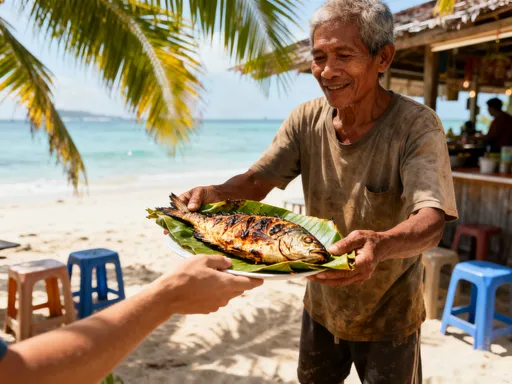
Imagine biting into a mango so sweet it feels illegal, as sea breeze kisses your face and a local vendor grins, handing you a grilled fish wrapped in banana leaf. Palawan isn’t just a feast for the eyes—its food scene is a soulful journey through flavor, tradition, and island magic. Here, meals unfold not in polished resorts but in humble seaside huts, bustling markets, and family-run carinderias where the air hums with sizzling oil and laughter. This is where tourism hasn’t diluted authenticity, where every dish carries the imprint of generations. I’ll show you where the locals eat, what to order, and how to taste Palawan like an insider—through moments that nourish both body and spirit.
Why Palawan’s Food Scene Stands Out
Palawan’s culinary identity is shaped by its isolation, biodiversity, and cultural mosaic. Unlike other Philippine destinations where global chains dominate, Palawan has preserved a deeply rooted food culture that values freshness, simplicity, and community. The island’s long stretch from north to south—over 450 kilometers—means diverse microclimates and ecosystems feed distinct regional palates. Coastal towns thrive on seafood, while inland communities rely on root crops, wild greens, and free-range livestock. This geographical variety ensures that no two meals feel the same, even within a single province.
The food here reflects centuries of influence: indigenous knowledge from the Tagbanwa and Palaw’an peoples, Malay roots evident in spice use and fermentation techniques, and Spanish legacies seen in stews and cured meats. Yet, Palawan never became a colonial kitchen. Its remote location limited foreign control, allowing traditional practices to endure. Dishes are still prepared using wood-fired stoves, stone mortars, and banana leaves—methods passed down through generations. There’s no rush to modernize when the old ways work so well.
What truly sets Palawan apart is its adherence to hyper-local sourcing. Most ingredients travel fewer than ten kilometers from source to plate. Fishermen sell their catch directly to roadside grills. Farmers bring vegetables to neighborhood markets at dawn. Coconut, ginger, turmeric, calamansi, and chili grow wild or in backyard gardens. This proximity to origin means unparalleled freshness and a low carbon footprint—long before ‘farm-to-table’ became a trend elsewhere, it was simply how people ate here.
Moreover, mass tourism has not yet overwhelmed the food landscape. While El Nido and Coron attract visitors, they haven’t been overrun by international franchises. You won’t find global fast-food logos on every corner. Instead, plastic stools line the sidewalks outside unmarked eateries where handwritten signs list daily specials in marker pen. This lack of commercialization protects authenticity. It allows travelers to experience cuisine not as performance for tourists but as lived culture—a quiet revolution of taste in an era of homogenization.
Must-Try Dishes That Capture the Island Spirit
To eat in Palawan is to engage with its soul. Certain dishes stand out not just for their flavor but for what they represent—ingenuity, resilience, and a deep connection to nature. One such dish is kinilaw, often described as the Philippines’ answer to ceviche. Freshly caught tuna, mackerel, or squid is marinated in vinegar made from nipa palm sap, then mixed with onions, chili, and grated young coconut. The result is bright, tangy, and rich—a celebration of the sea’s bounty. Unlike citrus-based ceviches, kinilaw uses local vinegar, giving it a deeper, more complex acidity. It’s typically served with steamed rice or puto (rice cakes), making it a complete meal.
For the adventurous, tamilok offers a truly unique experience. This woodworm, harvested from mangrove roots, is eaten raw with a dipping sauce of vinegar, chili, and garlic. Its texture is gelatinous, slightly briny, and surprisingly mild in taste. While it may sound daunting, many locals regard it as a delicacy and even a tonic for stamina. Consuming tamilok isn’t just about taste—it’s a rite of passage, a way of embracing the unfamiliar with openness and respect. Vendors in Puerto Prinsesa and San Vicente prepare it fresh upon request, often slicing the slimy creature tableside with practiced ease.
Another bold choice is crocodile sisig—a dish born from conservation efforts. Farmed crocodiles, raised legally under government programs, provide meat that’s lean and sustainable. The cheek and belly parts are boiled, grilled, and chopped finely, then sizzled with onions, chili, and calamansi. The result is smoky, spicy, and deeply savory, served on a hot plate that crackles with heat. It challenges preconceptions about exotic meats while supporting eco-friendly agriculture. Eating it feels less like indulgence and more like participation in a responsible food system.
Vegetarians need not feel excluded. Dishes like gising-gising—a spicy stew of chopped upo (bottle gourd) or eggplant, shrimp paste, and chili—deliver bold flavor without meat. Coconut milk softens the heat, creating a creamy contrast to the fire in each bite. Fresh coconut water, young coconut flesh, and banana blossoms also feature heavily in plant-based dishes. Salads made with green papaya, cucumber, and tomato are dressed simply with vinegar and herbs, letting natural sweetness shine. Even desserts lean on nature’s candy: ripe mangoes, jackfruit, and langka (jackfruit) ice cream offer satisfying sweetness without excess sugar.
Where the Locals Eat: Off-the-Grid Eateries You Won’t Find on Maps
The heart of Palawan’s food culture beats strongest in its unassuming, unmarked eateries. These are not destinations with websites or Instagram hashtags. They’re places known only by word of mouth, often marked by clusters of plastic stools, the scent of garlic frying, and the sound of clattering plates. In Puerto Prinsesa, a cluster of carinderias near the public market serves lunch to office workers and drivers. One might have a faded blue tarp roof; another operates out of a converted garage. But inside, pots simmer with adobo, sinigang, and pinakbet—classic Filipino dishes made with island ingredients.
Look for signs of authenticity: handwritten menus on cardboard, families sharing meals across small tables, and cooks who call out greetings as you approach. These spots rarely accept cards—cash is king—and opening hours follow the rhythm of daily life, not tourist schedules. Many close by 7 p.m. or shut midweek for rest. Their simplicity is their strength. There’s no branding, no gimmicks—just good food prepared with care.
In El Nido, some of the best meals happen on the beach. Fishermen set up temporary grills at sunset, offering whole fish wrapped in banana leaves and cooked over coconut husk fires. You choose your fish from a cooler, pick your seasoning—soy-calamansi, spicy vinegar, or garlic butter—and wait 15 minutes while it cooks. Eating barefoot in the sand, with the tide lapping nearby, turns dinner into a ritual. No tablecloths, no silverware—just your hands and the horizon.
Coron offers floating food experiences too. At the public pier, small boats double as snack stands, selling grilled squid, fish balls, and fresh buko juice. You can paddle out in a kayak or swim over to order. Some vendors even deliver to anchored boats. These floating markets reflect the aquatic lifestyle of island communities, where water is both highway and home.
For those seeking slightly more structure without sacrificing authenticity, places like Art Cafe in El Nido and Ka Linda’s Kitchen in Coron strike a balance. Art Cafe, run by a local artist couple, serves organic coffee, homemade bread, and dishes like coconut curry and grilled tuna salad. The ambiance is rustic-chic, with hand-painted murals and repurposed wood furniture. Ka Linda’s, meanwhile, is famous for its hearty breakfasts—longganisa (Filipino sausage), garlic rice, and eggs—all made from scratch. It opens early, drawing both travelers and locals starting their day. These spots prove that comfort and credibility can coexist.
Seafood Straight from the Source: Fishing Villages with Fresh Catches
Nowhere is Palawan’s connection to the sea more evident than in its fishing villages. In places like Nangalao Island and Lio Beach, fishing isn’t just an industry—it’s a way of life. At dawn, outrigger canoes head out with hand lines and nets, returning hours later with shimmering loads of snapper, grouper, mackerel, and parrotfish. By mid-morning, the catch is sorted—some sold to buyers, some kept for family meals, and some cooked immediately for visitors lucky enough to be invited.
Some communities welcome respectful guests to join communal lunches. These aren’t staged performances but genuine invitations to share food and conversation. You might sit on a bamboo platform over the water, watching children swim below while elders tell stories between bites. The meal could be simple: grilled fish, boiled sweet potato, and vinegar dip. But the setting—surrounded by turquoise water and coconut palms—elevates it into something sacred.
In other areas, “fish-to-table” stalls operate with remarkable transparency. You point to the fish you want—still glistening on ice—and watch as it’s scaled, gutted, and grilled within minutes. Sauces are made fresh: spicy vinegar with chili and garlic, soy-calamansi blend, or coconut milk-based gravy. The cook might ask how you like it cooked—well done or medium rare—giving you control over your meal in a way rarely seen in restaurants.
This immediacy transforms eating into a participatory act. You’re not just consuming; you’re witnessing the journey from ocean to plate. It fosters gratitude and awareness. And because the fish are caught sustainably—using methods that avoid coral damage or overfishing—you can enjoy your meal with a clear conscience. These villages often follow seasonal bans during spawning periods, honoring ecological cycles that ensure future abundance.
Markets and Street Food: A Sensory Tour of Local Flavors
No culinary journey in Palawan is complete without a walk through its public markets. These are not sanitized supermarkets but vibrant, chaotic hubs of daily life. In Puerto Prinsesa’s main market, the air is thick with the smell of dried fish, ripe durian, and fresh herbs. Stalls overflow with pyramids of mangoes, pineapples, and rambutan. Bunches of red and green chili hang like garlands. Vendors call out prices in rhythmic chants, competing for attention without hostility.
Here, you’ll find ingredients that never make it to tourist menus: wild ferns, banana blossoms, stingless bee honey, and native rice varieties. But it’s also where street food thrives. Skewers of kwek-kwek—quail eggs coated in orange batter and deep-fried—are sold alongside isaw (grilled chicken intestines) and betamax (cubed coagulated chicken blood). For the curious, balut—a fertilized duck egg with a partially developed embryo—is available boiled and salted, a protein-rich snack cherished by many Filipinos.
Freshness and hygiene vary, so caution is wise. Look for stalls with high turnover, clean hands, and covered food. Avoid anything sitting in the sun for hours. Stick to items cooked to order, like grilled fish or steaming bowls of pancit (noodle soup). Fresh buko (young coconut) juice, served in the shell with a straw, is almost always safe and deeply refreshing. Vendors often crack the coconut open with a machete in one swift motion—a small spectacle in itself.
Markets are also where you’ll see Palawan’s agricultural wealth. Root crops like cassava and taro are staples, often boiled or fried. Banana varieties go far beyond the familiar Cavendish—there’s Saba for cooking, Lacatan for eating raw, and Señorita for snacking. Pineapple here is juicier and less acidic than imported versions. And the mangoes—especially the Carabao variety—are legendary, so sweet they taste like dessert wine.
Plant-Based and Healthy Options: Eating Well Without Sacrificing Taste
Despite its reputation for rich, savory dishes, Palawan supports a naturally plant-forward diet. The tropical climate allows year-round harvests of fruits, vegetables, and herbs. Organic farming is not a trend here but a continuation of traditional practices. Many families grow their own food, using compost and rainwater, avoiding synthetic chemicals. This results in produce that’s not only fresher but more flavorful.
Fruit stands dot highways and village entrances, selling mangoes, papayas, bananas, and dragon fruit by the piece or kilo. These are perfect for snacking or building simple, nutritious meals. A breakfast of sliced papaya, coconut yogurt, and toasted bread offers energy without heaviness. Grilled saba bananas, drizzled with muscovado sugar, make a wholesome dessert. Turmeric, ginger, and garlic are used generously—not just for taste but for their wellness properties.
Organic cafes are emerging in tourist areas, catering to health-conscious travelers. They serve smoothie bowls topped with local granola, cold-pressed juices, and vegan versions of Filipino classics. One might offer a jackfruit *sisig*, shredded and sautéed with chili and calamansi, mimicking the texture of pork. Another could serve moringa-infused pasta with coconut cream sauce. These innovations respect tradition while adapting to modern needs.
Mindful eating is woven into the culture. Meals are rarely rushed. People pause to appreciate the colors, smells, and textures of their food. There’s a sense of balance—between rich and light, spicy and sweet, indulgence and restraint. This isn’t labeled as ‘wellness’ but lived as common sense. In a world obsessed with dieting and restriction, Palawan offers a different model: eat what’s fresh, eat with gratitude, and let nature guide your choices.
How to Eat Like a Local: Practical Tips for a Real Food Journey
To truly experience Palawan’s food culture, adopt a few simple habits. First, embrace the local schedule. Lunch is typically served between 11 a.m. and 2 p.m., dinner from 6 to 8 p.m. Many small eateries close outside these windows, so plan accordingly. Arriving early increases your chances of getting the best dishes before they sell out.
Always carry cash—small bills are especially useful. Most carinderias and street vendors don’t accept cards. ATMs exist in towns but may run out during peak seasons. Tipping isn’t expected but a small extra peso or two is appreciated, especially if service was warm.
Learn a few Tagalog phrases. “Pwede mag-order?” (Can I order?) and “Sarap!” (Delicious!) go a long way. A simple “Salamat” (Thank you) with eye contact creates connection. If you’re unsure what to order, point to what others are eating or ask “Ano ang best seller?” (What’s the best seller?). Cooks are usually proud to share their specialties.
Engage with the people preparing your food. Ask about ingredients, preparation methods, or family recipes. Most are happy to talk, especially if you show genuine interest. These conversations often lead to unexpected invitations—maybe to try a new dish or visit a hidden spot. Slow down. Sit longer. Let the meal unfold naturally. In Palawan, eating is not a task to complete but a moment to savor.
Conclusion
Tasting Palawan is more than a meal—it’s a connection to people, land, and sea. Every bite tells a story of tradition, resilience, and joy. From the first mango at a roadside stand to the last sip of buko juice on the beach, the island feeds more than hunger. It nourishes curiosity, empathy, and wonder. By choosing authenticity over convenience, travelers don’t just eat well—they leave with memories seasoned with meaning. Palawan reminds us that the simplest meals, made with care and shared with kindness, are often the most profound. In a world rushing toward the next trend, this island offers a timeless truth: the best flavors are grown, not manufactured; earned, not bought; and shared, never wasted.