Lost in Jeju’s Rhythm: Where Nature Whispers and Time Forgets
Jeju Island isn’t just a destination—it’s a feeling. From misty highlands to volcanic coastlines, every corner invites slow living. I wandered without maps, sipping tangerine tea in hillside cafés and tracing silent trails through forest sanctuaries. This is immersion: not ticking off sights, but letting the island seep into your soul. Here’s how to truly unplug and experience Jeju beyond the brochures. The island, shaped by fire and wind, carries a quiet strength in its basalt stones and whispering pines. It does not shout for attention but waits—patient, grounded, alive. To visit Jeju is not to conquer a checklist of attractions, but to surrender to its rhythm, to allow the pace of life to soften, deepen, and align with nature’s steady breath. In a world that never stops moving, Jeju offers something rare: stillness that speaks.
The Soul of Jeju: More Than a Getaway
Jeju Island, a UNESCO World Natural Heritage site and Global Geopark, is a land shaped by elemental forces. Born from volcanic eruptions over hundreds of thousands of years, its terrain is marked by craters, lava tubes, and rugged coastlines that tell a story of creation and resilience. Hallasan, the island’s dormant volcano and South Korea’s highest peak, rises gently from the center like a quiet guardian. Its slopes are blanketed with diverse ecosystems, from subtropical forests at the base to alpine flora near the summit. This geologic richness is matched by a cultural identity forged by isolation and adaptation. The Jeju people, historically reliant on farming, fishing, and the famed haenyeo—female divers who harvest seafood without oxygen tanks—have cultivated a way of life rooted in endurance, community, and harmony with nature.
Yet for the modern traveler, Jeju is often reduced to a series of Instagrammable landmarks: the whimsical Teddy Bear Museum, the dramatic cliffs of Seongsan Ilchulbong, or the photogenic Jusanji Pond. While these sites have their charm, they represent only a surface layer of what the island offers. True fulfillment comes not from accumulating snapshots, but from immersion—moments of presence where the traveler becomes part of the landscape rather than a spectator. This is the essence of slow travel: choosing depth over breadth, connection over consumption. It means lingering in a sunlit café with a book, listening to the wind through camellia trees, or sitting quietly by a crater lake as mist rolls in.
Scientific studies on well-being increasingly support the value of such experiences. Exposure to natural environments has been shown to reduce cortisol levels, improve mood, and enhance cognitive function. On Jeju, these benefits are amplified by the island’s unique combination of geological wonder and cultural authenticity. When travelers shift from a checklist mentality to one of mindful exploration, they open themselves to a deeper form of enrichment—one that lingers long after the trip ends. The island does not demand performance; it invites participation. By slowing down, visitors align with Jeju’s natural rhythm, discovering that the most meaningful journeys are not measured in miles, but in moments of quiet clarity.
Choosing the Right Spaces: Where to Truly Unwind
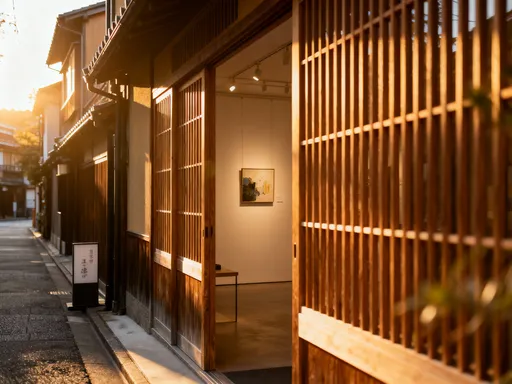
To experience Jeju authentically, one must begin with intention—not just in itinerary, but in environment. The spaces we inhabit during travel shape our emotional state, influence our pace, and determine the depth of our connection to a place. On Jeju, the most restorative stays are those that harmonize with the island’s natural and cultural fabric. Traditional hanok guesthouses, for example, offer more than aesthetic appeal; their wooden frames, tiled roofs, and open courtyards are designed to facilitate a dialogue between indoors and outdoors. Waking to the sound of rain on stone tiles or stepping barefoot onto sun-warmed wood connects the guest to the rhythms of weather and season in a way modern hotels often obscure.
Equally powerful are forest wellness centers, many located near Hallasan’s lower slopes. These retreats, often run in partnership with Korea’s Forest Healing Program, provide structured yet flexible programs that include guided forest bathing, meditation, and herbal tea rituals. Unlike commercial spas that focus on luxury and pampering, these centers emphasize presence and sensory awareness. Guests are encouraged to walk slowly, breathe deeply, and observe the subtle shifts in light, sound, and scent that define the forest’s daily pulse. The absence of digital distractions—many centers request guests limit phone use—creates space for introspection and emotional reset.
Coastal meditation paths, such as those along the quieter stretches of Hamdeok or Iho Beach, offer another form of sanctuary. These are not crowded tourist zones but local favorites where residents walk dogs, practice tai chi at dawn, or sit quietly with a thermos of barley tea. Choosing accommodations near such areas—family-run guesthouses, eco-lodges, or even certified healing forests—ensures proximity to nature without sacrificing comfort. Key criteria for selecting restorative environments include minimal light and noise pollution, access to green or blue spaces, and evidence of cultural authenticity, such as locally made furnishings, regional cuisine, or community involvement. When travelers prioritize these qualities, they create the conditions for true renewal—one that begins not with activity, but with stillness.
Morning Rituals in Harmony with Nature
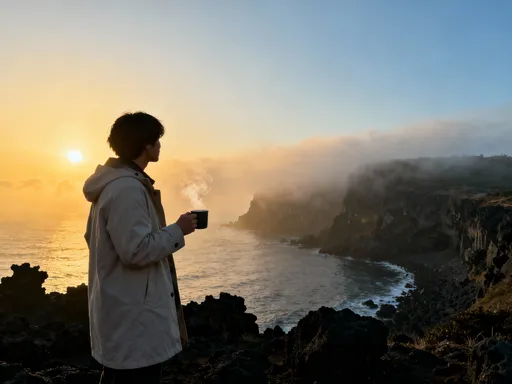
The way a day begins sets its tone, and on Jeju, mornings are best greeted with quiet reverence. One of the most transformative experiences is a sunrise walk along the lava cliffs of Seongsan Ilchulbong. Arriving before dawn, when the sky is still indigo and the air crisp with ocean mist, allows visitors to witness the island awaken. As the first light spills over the horizon, illuminating the crater’s jagged rim and the calm waters below, a profound sense of peace settles in. This is not a hurried ascent for the sake of a photo, but a meditative journey—each step on the volcanic stone a reminder of the earth’s ancient pulse.
Equally grounding are herbal tea ceremonies offered in garden retreats across the island. These are not theatrical performances for tourists, but intimate rituals rooted in Korean tradition. Seated on low wooden stools beneath thatched roofs or in sunlit pavilions, guests are served infusions made from locally foraged plants: mugwort, omija berries, or wild chrysanthemum. The host moves with deliberate slowness, pouring water with care, explaining the properties of each herb. The act of drinking tea becomes a practice in mindfulness—focusing on warmth, aroma, and flavor, allowing the mind to settle like sediment in still water.
For those staying in private accommodations, crafting a personal morning routine can deepen the experience. Simple practices such as forest breathing—inhaling deeply while standing among trees, known to release phytoncides that support immune function—can elevate mood and energy. Journaling with a view of a garden or the sea encourages reflection and gratitude. Even more powerful is a digital detox: resisting the urge to check messages or scroll through feeds for the first hour of the day. This small act of discipline creates space for presence, allowing travelers to absorb the details that define Jeju’s essence—the way sunlight filters through tangerine leaves, the distant call of a magpie, the scent of damp earth after a brief shower. These moments, though fleeting, accumulate into a deeper sense of well-being.
Daytime Journeys: Leisure That Feels Like Discovery
Daylight hours on Jeju need not be filled with frantic movement. Instead, they offer opportunities for gentle exploration—leisure that feels like discovery rather than exertion. One of the island’s most remarkable features is its network of lava tube caves, formed by ancient volcanic flows. Manjanggul Cave, the longest and most accessible, invites visitors to walk through a subterranean world of basalt formations, stalactites, and cool, humid air. Unlike crowded tourist caves elsewhere, Manjanggul maintains a calm atmosphere, with soft lighting and informative signage that respects the site’s geological significance. Walking its 1.1-kilometer lit path feels less like sightseeing and more like stepping into the island’s living memory.
Equally enriching are visits to eco-farms, where travelers can engage with Jeju’s agricultural heritage. These are not commercial pick-your-own farms but small-scale operations run by families committed to sustainable practices. At an organic tangerine orchard, guests might learn about seasonal harvesting, taste freshly squeezed juice, or help gather fallen fruit for compost. Some farms offer hands-on experiences like making traditional jeon (Korean pancakes) with garden vegetables or crafting natural dyes from local plants. These activities foster connection—not only to the land but to the people who steward it.
Strolling through camellia groves, particularly in the spring months, offers another form of quiet joy. The O’Sulloc Tea Museum’s camellia forest, set on rolling hills overlooking the sea, is both a botanical haven and a cultural space. The glossy evergreen trees, some centuries old, bloom with waxy pink and white flowers that drift silently to the ground. Paths wind through the grove with benches placed at intervals for rest and reflection. This is not a place to rush through, but to meander, to pause, to listen. Along the way, visitors might encounter a local artist sketching, an elderly couple sharing a thermos, or a child carefully collecting fallen petals. These human moments, unscripted and unhurried, are the heart of immersive travel—reminders that the richest experiences often arise not from planning, but from presence.
Designing Your Immersive Itinerary: A Practical Framework
To sustain a rhythm of immersion, travelers benefit from a flexible yet intentional itinerary. A well-designed three-day framework allows for depth without rigidity, balancing exploration with rest. The key principle is not efficiency, but harmony: aligning activities with the body’s natural energy cycles and the island’s environmental cues. Each day should center around one major site or experience, supported by two leisure pauses and at least one meaningful cultural interaction. This structure prevents burnout and fosters a sense of flow.
Day one might begin with a sunrise at Seongsan Ilchulbong, followed by a quiet breakfast at a nearby seaside café serving fresh fish soup and roasted seaweed. The morning continues with a visit to a local market in Seogwipo, where travelers can observe daily life, sample street food like hotteok (sweet filled pancakes), and perhaps purchase a handmade hanji (traditional paper) notebook. The afternoon is reserved for rest—reading in a garden, napping in a hammock, or simply watching clouds drift over Hallasan. Evening could include a low-key dinner at a family-run restaurant specializing in black pork, a Jeju staple, followed by a short walk along the coast as the sky darkens.
Day two could focus on Hallasan’s lower trails, such as the Eorimok or Yeongsil courses, which are moderate in difficulty and rich in biodiversity. A packed lunch of rice balls and fruit eaten under a pine tree enhances the sense of simplicity. After descending, a visit to a forest healing center for a guided breathing session or tea meditation offers restoration. Day three might include Manjanggul Cave in the morning, followed by time at an eco-farm and an afternoon spent in a cliffside café with a view of the ocean. Throughout, transportation should support the rhythm—renting a car offers flexibility, but using local buses or guided eco-tours can reduce stress and environmental impact.
Crucially, the itinerary must allow for spontaneity. Leaving gaps in the schedule invites unexpected moments: a conversation with a local gardener, a sudden rain shower that sends everyone running for cover, laughter shared over a language barrier. Apps like Naver Maps or KakaoMap can assist with navigation, but should not dominate the experience. The goal is not to optimize every minute, but to create conditions where meaning can emerge naturally. By designing travel around rhythm rather than rush, visitors honor not only the island, but themselves.
Cafés, Craters, and Quiet Corners: Jeju’s Hidden Leisure Culture
Jeju’s café culture is unlike any other in Korea. Scattered across the island, these spaces are not merely places to drink coffee, but sanctuaries of stillness and creativity. Many are built within tangerine orchards, their walls made of volcanic stone, their roofs curved like waves. Others perch on cliffs, offering panoramic views of the East China Sea, while some are tucked into quiet alleys behind traditional stone fences. What unites them is a commitment to atmosphere—soft lighting, handmade ceramics, the scent of roasting beans, and, above all, silence. Unlike urban cafés filled with the hum of conversation and keyboards, Jeju’s best spots encourage introspection.
These cafés function as more than rest stops; they are cultural microcosms. At a family-run tea house in Gwaneum Valley, a grandmother might serve persimmon leaf tea in hand-thrown cups, sharing stories of her childhood on the island. In a modernist glass café overlooking a crater lake, a young artist might display watercolors inspired by the changing light. Some spaces double as bookshops, craft studios, or meditation rooms, blurring the line between commerce and community. Visitors are not rushed to leave after finishing a drink; lingering is expected, even celebrated.
Observing local habits enhances this experience. Many Jeju residents take an afternoon tea pause, stepping away from work to sip barley tea or tangerine infusion, often accompanied by a small sweet like yakgwa (honey pastry) or hallabang cookies—round, nutty treats shaped like the island’s iconic stone guardians. Joining this ritual, even briefly, creates a subtle but powerful connection. It is not about mimicry, but about participation in a shared rhythm of rest and renewal. These quiet corners, often overlooked by guidebooks, are where the soul of Jeju reveals itself—not in grand gestures, but in the grace of a well-placed bench, the warmth of a handmade cup, the permission to simply be.
Leaving Lightly: How Immersive Travel Changes You
The true measure of a journey is not in the souvenirs collected, but in the internal shifts it inspires. To travel immersively on Jeju is to undergo a gentle recalibration—a softening of edges, a slowing of breath, a renewed sensitivity to beauty in the ordinary. Many visitors report a lasting emotional reset after such trips: reduced anxiety, improved sleep, and a deeper appreciation for simplicity. These changes are not fleeting; they are the residue of presence, of having fully inhabited a moment rather than rushed through it.
The island teaches that fulfillment does not come from accumulation, but from attention. Watching a single wave dissolve on black sand, tasting the tartness of a sun-warmed tangerine, feeling the weight of a volcanic stone in your palm—these experiences, when met with awareness, become anchors. They remind us that peace is not a destination, but a way of moving through the world. The rhythm of Jeju—its quiet mornings, unhurried afternoons, and reflective evenings—can be carried home through small daily rituals: brewing tea with intention, taking a five-minute pause to gaze at the sky, choosing a walk in nature over screen time.
In a culture that often equates travel with productivity—how many places you’ve seen, how many photos you’ve taken—Jeju offers a different invitation. It asks not for conquest, but for surrender. It whispers that the deepest escapes are not to distant lands, but into the present moment. To leave Jeju lightly is to depart with less clutter in the mind and more clarity in the heart. And perhaps, that is the greatest souvenir of all: the knowledge that stillness, too, can be a journey—one that begins not with a passport stamp, but with a single, conscious breath.