Taste of Nature: How Fukuoka’s Wild Flavors Stole My Heart
Imagine biting into a piece of fresh sashimi so delicate it melts like morning mist over the sea—this is Fukuoka, where nature and flavor intertwine. Far from city chaos, its coastal cliffs, misty forests, and fertile plains offer more than scenic views—they deliver unforgettable tastes. Here, every meal tells a story of the land. From the crisp salt-kissed air of Hakata Bay to the quiet hum of mountain farms at dawn, Fukuoka’s cuisine is rooted in rhythm: the rhythm of tides, seasons, and generations of care. This is not just food; it’s an experience grounded in authenticity, place, and respect for what the earth provides.
Discovering Fukuoka’s Natural Panorama
Fukuoka Prefecture, nestled on the northern shore of Kyushu Island, unfolds like a living tapestry of natural abundance. Its geography is a rare convergence of sea, mountain, and arable land, creating conditions ideal for a rich and varied food culture. To the west, the Genkai Sea laps against rugged coastlines where fishing families have cast nets for centuries. To the east, the Chikugo Plain stretches wide—a fertile expanse often called the 'breadbasket of Kyushu'—nourishing rice paddies, vegetable fields, and orchards. Inland, the hills rise gently into forested highlands, where mist curls around cedar trees and wild plants thrive in clean mountain air.
This diverse landscape does more than inspire postcard views; it directly shapes the region’s culinary identity. The proximity of sea to soil means ingredients travel short distances from source to table, preserving flavor and nutritional integrity. Coastal towns benefit from daily catches of mackerel, sea bream, and octopus, while highland villages yield crisp daikon radishes, leafy greens, and tender bamboo shoots. Even the climate plays a role: mild winters and humid summers create ideal growing conditions for citrus fruits like yuzu and kabosu, which lend bright, aromatic notes to local dishes.
What sets Fukuoka apart is how naturally sustainability emerges from this ecosystem. Because the land and sea are so closely intertwined, there is a deep cultural understanding that overharvesting or pollution disrupts the balance. Many small-scale producers follow low-impact practices not because of trends, but because they have always done so—passing down knowledge from parent to child. This harmony between environment and economy makes Fukuoka a model for how regional food systems can thrive without sacrificing ecological health.
The Soul of Fukuoka: Farm-to-Table in Its Purest Form
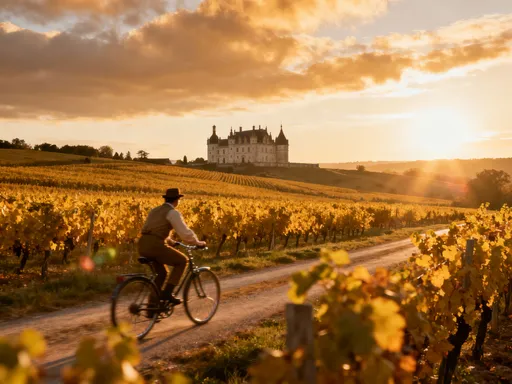
In Fukuoka, the farm-to-table movement isn’t a modern dining trend—it’s a way of life that has existed for generations. Across the countryside, family-run farms operate with quiet dedication, tending to crops and livestock with hands that know the soil intimately. These are not industrial operations; they are small, often multigenerational holdings where every tomato, egg, and bunch of spinach is handled with care. Visitors who take the time to explore rural areas quickly realize that food here is not commodified, but honored as a gift from the land.
One of the most meaningful experiences for travelers is visiting local organic farms, particularly in regions like Asakura and Ukiha. Here, farmers welcome guests to walk the fields, taste vegetables straight from the vine, and even participate in harvesting. A simple basket of leafy greens might include komatsuna, mizuna, and shungiku—bitter greens used in hot pots and stir-fries—each picked at peak ripeness. These farms often use natural compost, avoid synthetic pesticides, and rotate crops to maintain soil fertility, ensuring that the food retains its natural depth of flavor.
Equally important is the role of seasonal rhythm. In spring, fields burst with young greens and wild herbs; summer brings eggplants, cucumbers, and heirloom tomatoes; autumn yields sweet potatoes, mushrooms, and persimmons; and winter offers hardy greens and root vegetables. Markets in rural towns reflect this cycle, with vendors proudly displaying what has been harvested that morning. There is no attempt to force out-of-season produce—instead, there is celebration of what the earth offers at each turn of the year. This respect for seasonality not only enhances taste but also connects people to the natural world in a tangible, daily way.
The values of simplicity and transparency extend to preparation. Many rural households and local restaurants use minimal processing, allowing ingredients to speak for themselves. A dish of grilled sweet potato, for instance, requires no embellishment—its natural sweetness, enhanced by slow roasting over charcoal, is enough. This culinary philosophy—letting nature lead—resonates deeply with visitors seeking authenticity in an increasingly industrialized food landscape.
Seafood Straight from the Source: Coastal Flavors Unleashed
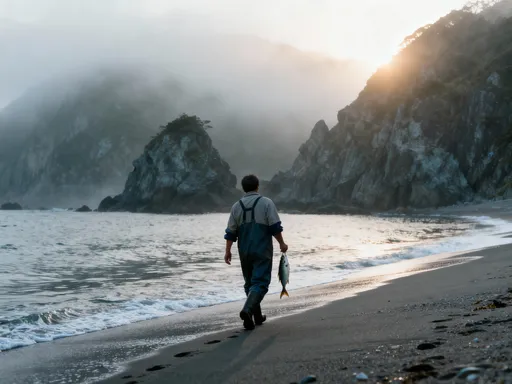
Fukuoka’s coastline is a gateway to some of Japan’s most pristine marine ecosystems, and its fishing traditions are as vibrant today as they have ever been. In harbors like Hakata, Nokonoshima, and Shingū, fishing boats return before sunrise, their decks glistening with the day’s catch. The air fills with the briny scent of the sea, and within hours, that same seafood is being cleaned, sliced, and served in nearby markets and restaurants. This immediacy—this closeness between ocean and plate—is what makes Fukuoka’s seafood so exceptional.
The variety is astonishing. On any given morning, you might find plump sea urchin (uni) with a buttery richness that dissolves on the tongue, or sweet, translucent prawns (amaebi) still glistening with ocean freshness. Tuna, caught off the coast and aged just long enough to deepen its umami, is sliced into perfect cubes for sashimi. Even humble ingredients like clams, squid, and small fish are treated with reverence, often grilled simply with a touch of salt or simmered in miso broth to highlight their natural sweetness.
What makes this system sustainable is the balance maintained by local fishermen. Many follow traditional methods—using selective nets, respecting closed seasons, and avoiding overfished species. In some villages, fishing cooperatives manage quotas and monitor fish populations to ensure long-term health of the waters. This stewardship is not driven by regulation alone, but by a deep cultural bond between people and sea. For generations, families have relied on the ocean not just for food, but for identity.
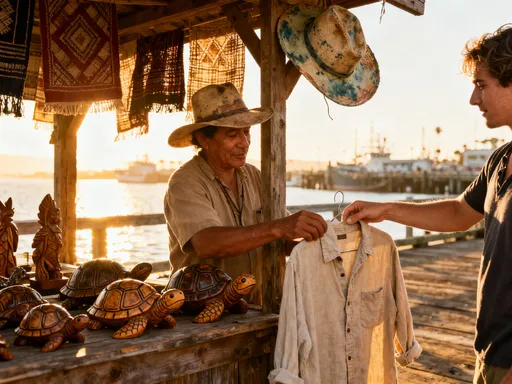
Travelers can witness this firsthand by visiting early-morning fish markets, such as those near Hakata Port. Here, vendors display glistening rows of fish on ice, their eyes still bright, their gills deep red—clear signs of freshness. Some stalls offer tastings, allowing visitors to sample raw scallops, pickled mackerel, or marinated squid. Others sell ready-to-eat bowls of chirashi sushi, assembled with ingredients caught just hours before. These markets are not tourist performances; they are working hubs of community life, where locals come to buy dinner and fishermen sell what they’ve worked so hard to bring in.
Hidden Eateries in Wild Places: Where Nature Meets Nourishment
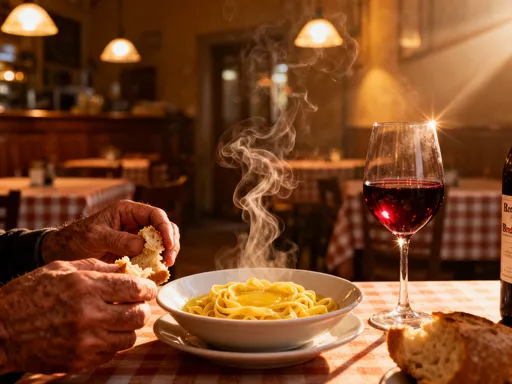
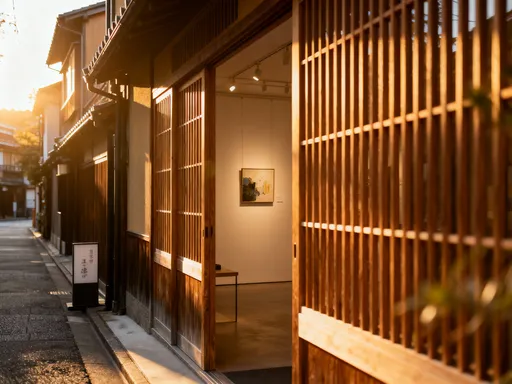
Some of the most memorable meals in Fukuoka are found not in city centers, but in quiet corners where nature and nourishment converge. Tucked into forest clearings, perched on seaside bluffs, or nestled in mountain valleys, small, family-run eateries offer more than food—they offer atmosphere, intimacy, and a deep sense of place. These are not flashy destinations with online reservations or celebrity chefs, but humble spots where the owner greets you at the door and the menu changes daily based on what’s fresh.
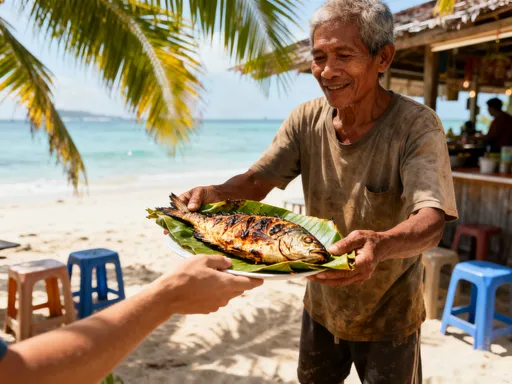
Imagine a soba shop built beside a rushing mountain stream, its wooden deck extending over the water. Here, buckwheat noodles are hand-cut and served cold with a dipping sauce made from locally foraged herbs. The sound of the stream blends with the clink of dishes, and sunlight filters through the trees, dappling the table. Or picture a seaside grill on a quiet cove, where fish are cooked over binchotan charcoal, their skins crisping just enough to lock in moisture. The owner, a former fisherman, brings each plate to the table himself, pointing out which bay the mackerel came from or how the octopus was caught that morning.
Then there are the mountain tea houses, often found along hiking trails or near shrines. These simple structures serve matcha made from shaded green tea leaves grown in nearby fields, along with wagashi—traditional sweets shaped like seasonal flowers or leaves. The experience is meditative: the ritual of preparing tea, the quiet view of mist-covered hills, the warmth of a wooden hearth. These moments are not rushed; they invite stillness, reflection, and gratitude for the natural world.
What unites these places is transparency. There is no mystery about where the food comes from. Often, the owner will point to the garden out back or the fishing boat tied up at the dock. Ingredients are displayed openly—baskets of mushrooms, jars of pickles, trays of fresh fish. This honesty builds trust and deepens the dining experience. It reminds us that food is not just fuel, but a connection—to land, to labor, and to community.
Foraging and Tradition: Tasting the Untamed
One of the most profound ways to engage with Fukuoka’s natural flavors is through guided foraging—walking the forests and hills with local experts who know which plants are safe, edible, and delicious. This is not a novelty for tourists, but a living tradition that has sustained rural communities for centuries. In spring, people gather warabi (bracken fern), taranome (angelica tree shoots), and bamboo shoots; in autumn, they search for matsutake mushrooms, prized for their pine-like aroma and rich flavor. These wild ingredients are not luxuries—they are part of the seasonal rhythm of eating.
Guided foraging tours, offered in areas like the forests around Mount Homan and the hills of Chikuzen, provide a safe and educational way to experience this tradition. Knowledgeable guides teach participants how to identify edible plants, avoid toxic look-alikes, and harvest sustainably—taking only what is needed and leaving enough for regrowth. They share stories about how each plant is used: warabi, for example, is often boiled and seasoned with sesame; matsutake is grilled simply with a touch of salt to preserve its delicate fragrance.
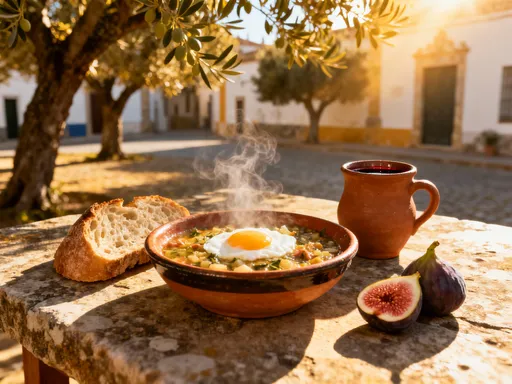
Many local chefs incorporate foraged ingredients into their menus, creating dishes that reflect the immediacy of the season. A restaurant in a quiet village might serve a soup made with fresh bamboo shoots and mountain herbs, or a rice bowl topped with sautéed wild mushrooms and a poached egg from a nearby farm. These meals are not about extravagance, but about honoring what the land provides at that moment. For travelers, eating such a dish feels like participating in something ancient and meaningful—a return to a way of life that values patience, observation, and gratitude.
Importantly, foraging in Fukuoka is approached with deep respect. There are unspoken rules: never strip a patch bare, never take rare species, and always ask permission when on private land. This ethic of care ensures that wild food sources remain abundant for future generations. It also reflects a broader cultural value—the belief that humans are not masters of nature, but part of it, dependent on its generosity and bound by its limits.
Practical Tips for the Flavor-Focused Traveler
For those planning a journey centered on Fukuoka’s natural flavors, timing and preparation can make all the difference. The best seasons to visit depend on what you wish to experience. Spring (March to May) is ideal for fresh greens, bamboo shoots, and the first wild herbs. The weather is mild, the countryside lush, and festivals celebrating harvests are common. Summer (June to August) brings heat and humidity, but also an abundance of vegetables, melons, and seafood like squid and ayu (sweetfish). Autumn (September to November) is perhaps the most rewarding—mushroom season peaks, persimmons ripen, and the air turns crisp, perfect for hiking and foraging. Winter (December to February) offers root vegetables, citrus fruits, and hearty hot pots made with locally raised pork or chicken.
Getting around Fukuoka is relatively easy, thanks to a reliable public transportation network. The JR Kyushu line connects major cities like Fukuoka, Kurume, and Yanagawa, while local buses serve rural areas. For deeper exploration, renting a car provides greater flexibility, especially for reaching remote farms, mountain trails, or coastal villages not served by transit. However, even without a vehicle, it is possible to access many authentic food experiences—many farms and markets are located within an hour’s train ride from Fukuoka City.
When seeking out local eateries, look for places with handwritten menus, seasonal signage, or ingredients displayed in the window. Markets like Yanagibashi in Fukuoka City offer a wide array of fresh produce, seafood, and prepared foods, though they can be busy. For a quieter experience, visit smaller town markets on weekends, where farmers sell directly from their trucks. Avoid restaurants that rely heavily on frozen or imported ingredients—authentic spots will proudly emphasize their local sourcing.
Language is rarely a barrier. While not all rural hosts speak English, many use gestures, pictures, or simple phrases to communicate. Carrying a translation app or a small phrasebook can help. More important than words is the willingness to be present—to listen, to observe, to show appreciation with a bow or a quiet 'arigatou gozaimasu.' These small gestures open doors and deepen connections.
Why This Journey Matters: Reconnecting Through Taste and Terrain
In a world where meals are often rushed, packaged, and disconnected from their origins, a journey through Fukuoka’s natural food landscape offers something rare: a chance to slow down and remember. Here, eating is not a transaction, but a ritual—one that ties us to the soil, the sea, and the seasons. Every bite of freshly caught fish, every spoonful of mountain herb soup, every slice of sun-warmed tomato carries the story of its making. This is food with memory, with meaning, with soul.
More than just a culinary adventure, this kind of travel fosters a deeper connection to place and self. When we walk through a forest to gather mushrooms, when we sit by the sea and eat what the tide has provided, when we share a meal with a farmer who grew the rice—we are reminded of our dependence on nature and our responsibility to care for it. This awareness does not come from lectures or documentaries, but from lived experience, from the quiet moments between bites and breaths.
Fukuoka teaches that true flavor cannot be manufactured. It arises from balance—from clean air, healthy soil, sustainable practices, and human care. It invites us to eat with intention, to choose quality over convenience, and to support systems that honor both people and planet. In doing so, we do not just nourish our bodies, but renew our spirits.
So let this be an invitation—not just to visit Fukuoka, but to embrace a way of traveling and eating that is slower, more mindful, and deeply human. Let the taste of nature guide you. Let the land tell its story. And in listening, may you find not only flavor, but peace.