Hidden Gems of Paramaribo: How to Find the City’s Best Views Like a Local
Ever wondered where to catch the most breathtaking views in Paramaribo without the crowds? I’ve explored every corner of this vibrant capital, and let me tell you—some of the best spots aren’t on any tourist map. From colonial rooftops to quiet riverbanks, discovering these viewpoints is about knowing when to go and where to look. This is your insider guide to seeing Paramaribo from angles most travelers never even imagine. With its blend of historic architecture, tropical energy, and riverside calm, the city offers visual poetry for those who take the time to truly see it.
Why Paramaribo’s Views Are Unlike Any Other Capital City
Paramaribo stands apart from other capital cities not because of towering skyscrapers or sweeping mountain backdrops, but due to its harmonious fusion of cultural heritage and natural abundance. The city’s skyline remains refreshingly low, a legacy of its Dutch colonial past, where wooden structures were built to withstand the humid climate and frequent rains. This architectural restraint creates an openness rarely found in urban centers—wide boulevards, tree-lined avenues, and unobstructed sightlines allow the eye to wander freely, discovering beauty in unexpected corners.
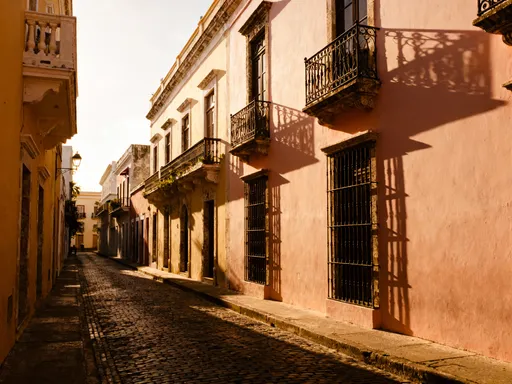
The contrast between weathered timber facades and freshly painted shutters adds texture to every street scene. Many of the buildings, some dating back to the 18th century, are UNESCO-recognized for their unique blend of European design and tropical adaptation. When sunlight filters through the canopy of almond, flamboyant, and mango trees, it casts dappled shadows across these historic walls, transforming ordinary streets into living galleries. It’s not uncommon to pause at a crosswalk and feel as though you’ve stepped into a watercolor painting—soft light, rich colors, and a quiet rhythm of daily life unfolding.
Equally defining is the city’s relationship with water. Nestled along the banks of the Suriname River, Paramaribo pulses with aquatic energy. The river isn’t just a boundary; it’s a central character in the city’s visual narrative. From the way morning mist lifts off its surface to the golden reflections at dusk, the water adds motion and depth to the cityscape. This interplay between land and river, architecture and jungle, gives Paramaribo a layered visual identity—one that rewards slow, intentional observation.
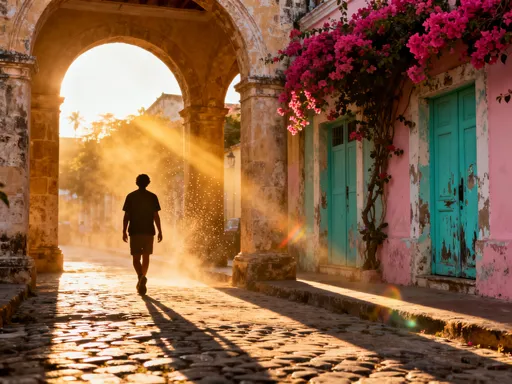
For visitors, this means that the most memorable views often come not from postcard-perfect monuments, but from subtle moments: a glimpse of a church steeple rising above emerald treetops, a bicycle weaving through sunlit cobblestones, or the silhouette of a fisherman casting a net at twilight. These are the quiet revelations that define Paramaribo’s charm. By embracing the city’s unhurried pace and varied textures, travelers gain access to a more intimate, authentic experience—one that feels less like sightseeing and more like discovery.
The Golden Hour Secret: Timing Your View Visits Right
In Paramaribo, timing is everything when it comes to capturing the soul of the city through its views. The tropical climate brings intense midday sun, often making photography difficult and outdoor exploration uncomfortable. Yet during the golden hours—just after sunrise and before sunset—the city transforms. The light softens, taking on a warm, honeyed glow that enhances the intricate woodwork of colonial buildings and brings out the vibrant hues of market stalls and street art.
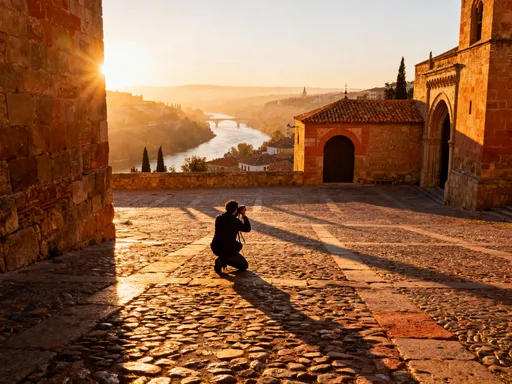
Sunrise in Paramaribo is a particularly magical time. Between 6:00 and 7:30 a.m., the streets are still quiet, the air is cool, and the city awakens gently. At this hour, the eastern façades of buildings along Independence Square catch the first rays, illuminating centuries-old details in exquisite clarity. Shadows stretch long across the pavement, adding dimension to photographs and lending a serene stillness to the atmosphere. For those seeking contemplative moments, a morning walk along the riverfront offers solitude and the chance to witness fishermen returning with their catch, their boats gliding silently over rippling water.
Sunset, on the other hand, brings a different kind of energy. As the sun dips behind the western bank of the Suriname River, the sky often bursts into shades of coral, lavender, and gold. This is the ideal time to find an elevated spot—whether a public terrace or a quiet rooftop café—to watch the city transition from day to night. The white walls of churches and government buildings absorb and reflect the fading light, creating a radiant effect that can last for nearly half an hour. Street vendors begin to light their lamps, and the hum of evening conversation fills the air.
To make the most of these times, it’s wise to plan ahead. Weather patterns in Paramaribo tend to follow a predictable rhythm: mornings are usually clear, with clouds building by early afternoon and occasional brief showers in the late afternoon. By scheduling view-seeking activities for early morning or late afternoon, travelers avoid both the heat and the rain. Checking daily forecasts can help fine-tune plans, but generally, golden hour visits offer the best combination of light, comfort, and photographic potential. Bringing a light jacket for cooler mornings or a small umbrella for unexpected drizzles ensures preparedness without compromising the experience.
Top Official Landmarks with Overlook Potential
While Paramaribo may not have towering observation decks, several official landmarks provide excellent vantage points for appreciating the city’s layout and history. Fort Zeelandia, one of the oldest structures in the city, sits at a strategic bend in the Suriname River. Originally built in the 17th century as a defensive outpost, it now serves as a museum—but its elevated position offers panoramic views of the river and the city skyline. From its ramparts, visitors can see the contrast between old and new Paramaribo, with historic wooden buildings standing alongside modern administrative structures.
The surrounding area, known as Palmentuin, is an open green space that functions as both a recreational park and a ceremonial ground. Its wide, flat terrain makes it ideal for capturing sweeping cityscapes, especially during sunrise when the sun rises directly over the eastern horizon. Families often gather here in the early hours for quiet walks or light exercise, adding a sense of everyday life to the visual experience. For photographers, the combination of open sky, palm trees, and distant rooftops creates a balanced composition that reflects the city’s tropical urban character.
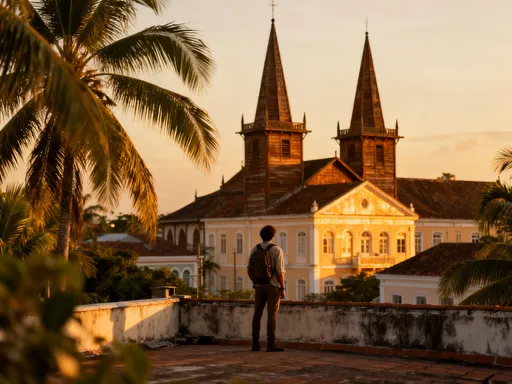
Another notable site is the Cathedral of St. Peter and Paul, whose twin spires dominate the central skyline. While entry into the cathedral is encouraged for its architectural and spiritual significance, the real viewing advantage comes from the surrounding plaza. Standing here, one can frame the entire façade against the sky, with the intricate wooden structure glowing in the afternoon light. The area also provides a clear line of sight down Keizerstraat, one of the city’s main thoroughfares, allowing observers to appreciate the continuity of colonial architecture over several blocks.
These landmarks are not only accessible to the public but also designed for engagement. Visitors are welcome to spend time exploring, sitting on benches, sketching, or simply observing the flow of people and traffic. Unlike crowded tourist attractions in larger cities, these sites maintain a peaceful atmosphere, making them ideal for reflection. Entry fees, where applicable, are modest and often include access to informative exhibits that deepen understanding of the city’s past. By treating these locations not just as photo stops but as spaces for connection, travelers enrich their perspective and gain a more meaningful appreciation of Paramaribo’s identity.
Off-the-Beaten-Path Vantage Points Only Locals Know
Beyond the well-marked attractions lie hidden viewpoints known primarily to residents—places discovered through routine, curiosity, and time. One such location is a quiet stretch along the Suriname River near Stadspark, where a narrow pedestrian path runs between the water and a row of modest homes. Early in the morning, this area becomes a haven for joggers, birdwatchers, and fishermen. From here, the view of the opposite riverbank is unspoiled by development, offering a rare glimpse of Paramaribo framed by natural greenery.
Another lesser-known spot is the upper floor of a community building near the Central Market. While not officially a tourist destination, the wide windows and open balcony provide a bird’s-eye view of one of the busiest commercial zones in the city. The key to accessing such places lies in respectful engagement—smiling at staff, asking politely in basic Dutch or Sranan Tongo, and blending in with the local rhythm. Many of these buildings are part of daily civic life, and visitors who approach with courtesy are often welcomed.
Some of the best rooftop perspectives can be found in older office complexes or cultural centers that allow public access during daylight hours. These spaces are rarely mentioned in guidebooks, but observant travelers can identify them by looking for stairwells with open railings, unmarked doors with glass panels, or signs indicating public meetings or exhibitions. Once inside, ascending to the top floor often reveals unexpected vistas: courtyards filled with tropical plants, clusters of church steeples, or the rhythmic pattern of red-tiled roofs stretching toward the horizon.
Exploring these off-the-beaten-path locations requires a balance of confidence and discretion. It’s important to remain aware of signage and private areas, never trespassing or disrupting operations. The goal is not to seek exclusivity, but to experience the city as it truly lives—unstaged, unhurried, and full of quiet beauty. By moving beyond the expected routes, travelers open themselves to moments of genuine surprise, where a simple glance out a window can reveal an entirely new dimension of Paramaribo.
Water-Level Perspectives: Seeing the City from the River
One of the most transformative ways to experience Paramaribo is from the water. The Suriname River serves as both a physical and symbolic heart of the city, and viewing it from a boat offers a fresh, dynamic perspective. Ferry crossings between Paramaribo and nearby towns like Meerzorg are not only practical but also scenic. As the vessel pulls away from the dock, the city recedes slightly, allowing passengers to see its skyline in profile—the wooden churches, the red roofs, the palm trees swaying in the breeze—all reflected in the rippling surface.
These short trips, lasting no more than 15 to 20 minutes, provide a unique sense of movement and scale. From the water, the city feels both grander and more intimate. Details that go unnoticed on foot—such as the way light dances on a stained-glass window or how laundry flutters on a balcony—become visible. The gentle rocking of the boat, the sound of lapping water, and the cool river breeze enhance the sensory experience, making it more immersive than any static viewpoint.
For a more personalized experience, small guided boat tours are occasionally available through local operators. These excursions typically last an hour or two and travel further upriver, passing under bridges and alongside mangrove-lined shores. Along the way, guides share stories about the city’s maritime history, point out bird species, and explain how river transport has shaped Paramaribo’s development. While these tours are not heavily advertised, they can be arranged through guesthouses or cultural centers with advance notice.
Even without a formal tour, spending time at the waterfront offers rewarding views. Benches along the promenade invite lingering, especially in the late afternoon when the light turns golden. Watching boats of all sizes—cargo vessels, fishing canoes, and recreational craft—navigate the river provides a living tableau of the city’s connection to water. For families, this is a peaceful activity that combines relaxation with quiet discovery, suitable for all ages. Whether aboard a ferry or seated on shore, seeing Paramaribo from the river reminds us that cities are not just built on land—they breathe with the tides.
Urban Rooftops and Elevated Cafés: Where to Sip and See
In a city with few high-rises, elevated dining spots become precious vantage points. While Paramaribo does not have dedicated sky bars or observation lounges, several cafés and restaurants offer upper-level seating with excellent city views. These venues are often tucked into historic buildings, where renovation has preserved character while adding modern comfort. The atmosphere is relaxed, with an emphasis on conversation, local cuisine, and slow enjoyment.
One such example is a café located in the central district, accessible via a wide wooden staircase. Its terrace overlooks a quiet square where children play in the evenings and musicians occasionally perform. From this height, visitors can see the interplay of architecture and nature—the way vines climb old walls, how streetlights illuminate tree canopies, and how shadows shift with the time of day. The menu features traditional Surinamese snacks and fresh tropical juices, making it a pleasant spot for an afternoon break.
Another option is a restaurant on the second floor of a restored colonial building near the Waterkant. Its large windows face the river, offering a direct view of passing boats and the changing sky. Meals here are served at a leisurely pace, encouraging guests to linger and absorb the surroundings. While the prices are slightly higher than street vendors, they remain reasonable for the quality and setting. What makes these places special is not luxury, but authenticity—the sense of being part of the city’s daily life while enjoying a moment of elevation, both literal and figurative.
Travelers can identify potential viewpoint venues by observing foot traffic, checking for external staircases or balconies, and asking locals for recommendations. A simple question like “Is there a place with a good view for coffee?” often leads to warm suggestions. Many of these spots are family-run, and owners take pride in sharing their space with curious visitors. By choosing to dine or drink at such locations, travelers support small businesses while gaining access to some of the city’s most delightful perspectives.
Putting It All Together: Designing Your Own View-Focused Walk
With so many vantage points scattered across central Paramaribo, the most rewarding way to experience them is through a thoughtfully planned walking route. A well-designed view-focused walk allows travelers to move at a comfortable pace, absorb the city’s rhythm, and witness the changing light throughout the day. A suggested path might begin at Fort Zeelandia in the early morning, where the cool air and soft light set a peaceful tone.
From there, a stroll along the riverfront toward Palmentuin offers open vistas and opportunities to pause on benches or capture photos. Continuing south on Keizerstraat, walkers pass rows of colonial buildings, their wooden shutters thrown open to the morning sun. A brief stop at the Central Market introduces the vibrant energy of local commerce, with colorful produce, handcrafted goods, and the scent of fresh bread filling the air. Though not a viewpoint per se, the market’s upper levels sometimes provide overlooks into the bustling hall below.
The next leg leads toward a quiet residential area near Stadspark, where the river path offers secluded views. After a mid-morning rest, the route can shift toward a café with rooftop seating, ideally timed for lunch and a chance to observe the city from above. In the afternoon, a ferry ride to Meerzorg and back provides a water-level perspective, followed by a walk along the promenade as the sun begins its descent.
Comfortable footwear is essential—while Paramaribo’s streets are generally flat, many are paved with uneven bricks or covered in tree roots. A lightweight backpack with water, sunscreen, and a small umbrella ensures preparedness. Frequent rest stops, whether at parks, cafés, or shaded benches, help maintain energy. Most importantly, the walk should remain flexible—allowing for unplanned detours, spontaneous conversations, and moments of stillness. The goal is not to check off locations, but to let the city reveal itself gradually, like pages turning in a well-loved book.
Conclusion: Elevating Your Travel Experience Through Perspective
Seeking out views in Paramaribo is about more than capturing beautiful images—it’s about deepening connection. Each vantage point, whether high or low, official or hidden, offers a new way to understand the city’s spirit. By looking up, slowing down, and exploring with intention, travelers move beyond surface-level tourism and begin to feel the pulse of daily life. The city reveals itself not as a static destination, but as a living, breathing entity shaped by history, nature, and community.
These moments of perspective shift are transformative. They remind us that travel is not just about where we go, but how we see. A rooftop at sunset, a quiet riverbank at dawn, a café overlooking a sunlit square—each offers a chance to pause, reflect, and appreciate the beauty of ordinary life. For women in their thirties to fifties, often balancing family, work, and personal dreams, such experiences can be especially meaningful. They offer space to breathe, to rediscover curiosity, and to return home with more than souvenirs—with renewed clarity and quiet joy.
Paramaribo invites this kind of mindful exploration. Its charm lies not in grand spectacles, but in subtle details: the way light touches a wooden beam, the sound of a distant drum, the smile of a stranger on a shared ferry ride. By seeking out its best views—not just with the eyes, but with the heart—travelers gain more than memories. They gain perspective. And sometimes, that’s the most valuable souvenir of all.