Through the Lens: Chasing Light in Old San Juan’s Hidden Corners
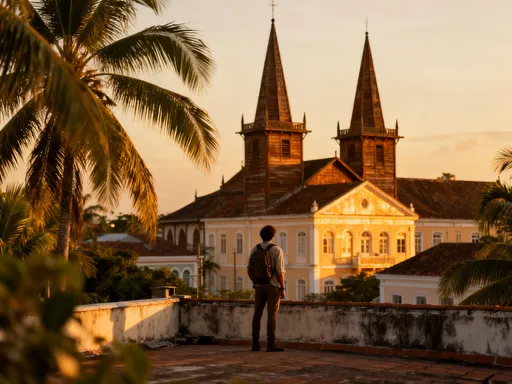
Ever stood somewhere so vibrant it made your camera tremble? That’s Old San Juan, Puerto Rico—where cobblestone streets glow at golden hour and every alley feels like a painting waiting to be framed. I went searching for landscapes, but found soul instead. This isn’t just travel photography; it’s visual storytelling at its rawest. In a city painted in coral, turquoise, and sunbaked ochre, light doesn’t just illuminate—it dances. For photographers and wanderers alike, Old San Juan offers more than postcard views. It offers moments suspended in color, history, and quiet human grace. This journey is about chasing those fleeting beams, understanding their rhythm, and capturing not just what we see, but what we feel.
The Magic of First Light in Old San Juan
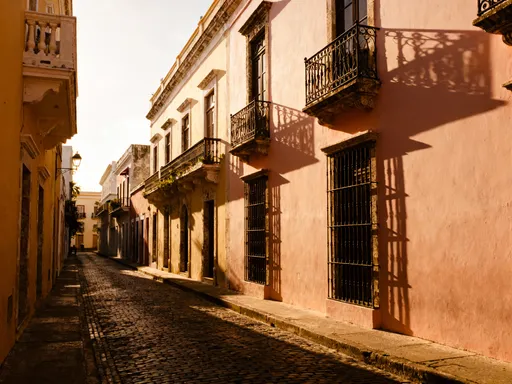
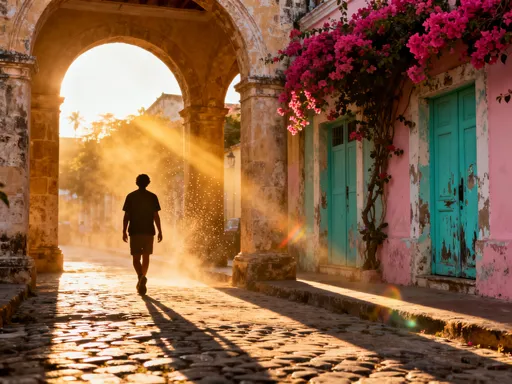
There is a hush that falls over Old San Juan in the hour just after sunrise—a stillness rare in most historic cities. The streets, laid with blue cobblestones worn smooth by centuries of footsteps, glisten faintly with dew. Pastel-colored colonial buildings—painted in shades of peach, mint, and terracotta—begin to warm under the first soft rays of Caribbean light. This is the golden window for photography: not quite dawn, not yet full morning, but that fragile transition when shadows are long, contrast is gentle, and the city feels like it belongs only to you. At this hour, the interplay of light and architecture becomes poetry. Sunlight slips through wrought-iron balconies, casting intricate lace-like shadows across facades. It glances off stained glass windows and pools in courtyards, turning ordinary corners into compositions of depth and mood.
For photographers, this early clarity offers unmatched advantages. The absence of crowds means unobstructed shots—no tourists in the frame, no hurried vendors blocking doorways. You can linger at Calle del Cristo or pause beneath the arches of Calle Fortaleza, framing your shot without distraction. To capture this light effectively, a few technical considerations matter. A low ISO—between 100 and 200—ensures clean, noise-free images, while a mid-range aperture (f/8 to f/11) provides enough depth of field to keep both foreground details and distant facades in focus. A tripod may seem excessive for daylight shooting, but in shaded alleys where light is limited, it allows for slower shutter speeds without blur, preserving the subtle textures of peeling paint and weathered wood.
What makes morning light in Old San Juan truly special is its emotional resonance. It’s not merely about exposure or composition; it’s about atmosphere. The quiet hum of the waking city—the distant clang of a church bell, the shuffle of a baker setting out bread, the scent of coffee drifting from an open window—adds to the sense of intimacy. A photograph taken at this hour doesn’t just record a place; it holds a breath. It captures a moment before the world rushes in. And in a destination so often crowded with visitors, that stillness is a gift. It invites the photographer to slow down, observe deeply, and frame not just buildings, but the soul of a neighborhood stirring to life.
El Morro and the Power of Coastal Perspectives
Rising proudly at the northwestern tip of Old San Juan, Castillo San Felipe del Morro is more than a fortress—it is a stage for dramatic coastal photography. Built by the Spanish in the 16th century to guard against seaborne attacks, El Morro now stands as one of the Caribbean’s most iconic landmarks, offering photographers a rare convergence of history, architecture, and natural grandeur. From its grassy esplanade, the Atlantic Ocean stretches endlessly, waves crashing against sheer limestone cliffs far below. The contrast between the fortress’s aged stone and the ever-changing sky creates a dynamic canvas, especially in the late afternoon when the sun casts long, sculptural shadows across the ramparts.
To photograph El Morro effectively, lens choice is key. A wide-angle lens—such as a 16–35mm—allows you to capture the vastness of the site, emphasizing the scale of the fortress against the horizon. It’s ideal for including both the sprawling lawn, dotted with kites on windy days, and the towering sentry boxes that line the seaward edge. For detail shots, a telephoto lens (70–200mm) excels at isolating textures: the pitted surface of cannon barrels, the intricate carvings on gateways, or the rusted iron of ancient hinges. These close-ups tell quieter stories—of time, of use, of endurance—complementing the grandeur of wider views.
One of the most powerful compositional tools at El Morro is natural framing. The fortress is rich with archways, tunnels, and gun ports that serve as built-in viewfinders. Positioning yourself within a stone arch and shooting outward toward the sea creates depth and focus, drawing the eye toward the horizon. Similarly, placing a historic cannon in the foreground can add scale and narrative, suggesting both function and legacy. Timing your visit for late morning or early afternoon ensures strong side lighting, which enhances the three-dimensionality of the stonework. Cloudy days, often dismissed by photographers, can also yield compelling results by softening contrast and bringing out the subtle grays and ochres in the masonry.
For those seeking a less conventional perspective, descending the narrow staircase to the base of the cliffs offers a ground-level view of the fortress’s foundations. Here, the sound of waves fills the air, and the sheer mass of the structure becomes palpable. Caution is essential—this area can be slippery and is not always marked for tourists—but the images gained are worth the care. Whether shooting upward from the rocks or capturing reflections in tidal pools, these angles reveal a side of El Morro rarely seen in guidebooks. The site’s enduring strength, both physical and symbolic, translates powerfully through the lens, reminding us that some places are not just seen—they are felt.
La Perla: Color, Culture, and Candid Moments
Nestled just north of the city walls, perched on a narrow strip of land between the Atlantic and the historic district, lies La Perla—a neighborhood as vibrant in spirit as it is in color. Once a marginalized community, La Perla has emerged as a symbol of resilience and cultural pride, its tightly packed houses painted in bold hues of fuchsia, lime, and cobalt. Streets here are little more than staircases and footpaths, winding unpredictably between homes stacked like mosaic tiles. It is a place of music, of laughter echoing from open windows, of children playing in the shade of clotheslines strung with laundry. For photographers, La Perla is a treasure trove of candid moments, but it demands a thoughtful, respectful approach.
Street photography in La Perla is not about capturing poverty or exoticizing hardship. It is about honoring everyday life—the woman braiding her daughter’s hair on a doorstep, the fisherman mending his net, the mural that tells a story of community. To photograph here ethically, permission matters. A simple smile, a nod, a quiet “¿Puedo tomar una foto?” can open doors and build trust. Many residents are welcoming, especially if they sense genuine interest rather than voyeurism. When photographing children, extra care is required—always seek consent from a parent or guardian. The goal is not to take images, but to share a moment, even silently.
Light in La Perla behaves differently than in the broader plazas of Old San Juan. Narrow passages create dappled illumination, with shafts of sunlight cutting through alleys at odd angles. To freeze motion in these dynamic scenes—say, a child running down a stair or a dog darting across a path—a fast shutter speed (1/500 second or higher) is essential. Pair this with an aperture of f/5.6 to f/8 to maintain clarity across the scene, and adjust ISO as needed to compensate for shade. A 35mm or 50mm prime lens works beautifully here, offering a natural field of view that keeps the subject grounded in context.
What sets La Perla apart is its authenticity. Unlike more polished tourist zones, this barrio lives unfiltered. A photograph here carries weight because it captures real life—imperfect, colorful, and full of heart. The murals that adorn many walls, often painted by local artists, add layers of meaning, blending social commentary with artistic flair. To include one in a shot is to document not just a place, but a voice. When edited with care—preserving natural tones, avoiding over-saturation—these images become powerful narratives. They remind us that beauty thrives not despite hardship, but alongside it, in the quiet acts of dignity and joy that define daily existence.
Sunset at the City Walls: When History Meets Horizon
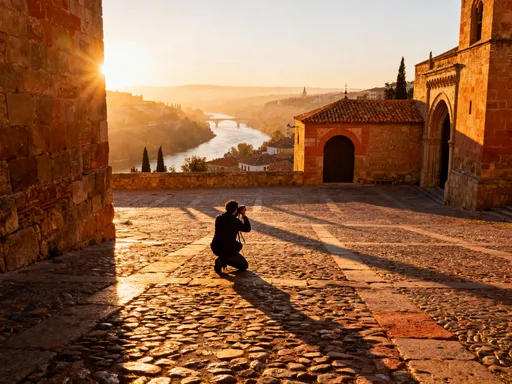
As the day wanes, photographers gather at Puerta de San Juan, the grand colonial gateway that opens to the sea. This is where Old San Juan breathes its evening sigh—a ritual as predictable as the tide. The iron-railed esplanade fills with tripods, phones, and quiet anticipation. The sun, low and golden, begins its descent over the Caribbean, painting the sky in gradients of apricot, rose, and lavender. The water below turns to liquid light, reflecting the fortress walls and the silhouettes of those who’ve come to witness the show. This daily spectacle is more than a photo opportunity; it is a convergence of geography, history, and visual poetry, all contained within a single frame.
Capturing this moment requires both technical precision and patience. A tripod is essential for long exposures, especially as light fades. To achieve the classic smooth-water effect—where waves dissolve into a misty glow—use shutter speeds between 5 and 30 seconds. This requires a low ISO (100) and a narrow aperture (f/16 or higher), often paired with a neutral density (ND) filter to reduce light intake without affecting color. Without an ND filter, images risk overexposure during prolonged exposures, especially in the brighter phases of sunset.
Composition plays a crucial role. Including the iron cannons that line the wall adds historical context, anchoring the image in place and time. Silhouetting figures—whether a couple embracing or a lone traveler facing the sea—adds emotional depth, transforming a landscape into a human story. The arch of Puerta de San Juan itself can serve as a natural frame, drawing the eye toward the horizon. Shooting in RAW format ensures maximum flexibility in post-processing, allowing for recovery of highlight and shadow details that might otherwise be lost.
But beyond technique, there is feeling. The sunset at the city walls is not just a visual event; it is a communal one. Strangers exchange nods, cameras click in quiet unison, and for a few minutes, the world slows. A photograph taken here carries that stillness. It holds not just color and light, but the shared breath of a moment. In editing, the temptation may be to enhance the drama—boosting reds, deepening contrasts. Yet the most powerful images are often the most restrained, preserving the scene as it was witnessed. This is not about creating spectacle, but honoring it.
Offbeat Angles: Hidden Courtyards and Secret Rooftops
Away from the main plazas and postcard vistas, Old San Juan reveals its quieter secrets in places you won’t find on maps. Tucked behind unmarked doors, up narrow staircases, or through unassuming archways lie hidden courtyards, overgrown with bougainvillea and shaded by ceiling fans that creak in the breeze. These spaces, often private or semi-private, offer some of the most intimate photographic opportunities in the city. A single shaft of light may fall across a mosaic tile floor, or a cat may nap on a wrought-iron bench, undisturbed. These are moments of stillness, of domestic beauty, preserved beyond the tourist trail.
Finding these spots requires wandering without agenda. Put the phone away. Let curiosity lead. Some courtyards are visible through open gates; others require a polite inquiry at a front door. Many residents, especially older ones, are proud of their homes and happy to share a glimpse, particularly if approached with respect and a genuine compliment. A simple “Me encanta su patio” can open the door—sometimes literally. Always ask before photographing interiors or private spaces, and never assume access is granted.
Rooftops, too, offer extraordinary views, though they are harder to reach. Some guesthouses and boutique hotels allow guests to access their terraces, especially at sunset. Others may require a connection or invitation. When available, they provide a rare bird’s-eye perspective—rows of red-tiled roofs cascading toward the sea, satellite dishes and laundry lines adding texture, the fortress rising in the distance. Early evening is ideal, when the heat subsides and the light turns soft. A 24–70mm lens covers most needs, from wide skyline shots to tighter details like weathered chimney pots or potted succulents.
The true value of these hidden spaces lies in their detail. A close-up of a hand-painted door knocker, a macro shot of a tile’s chipped glaze, the shadow pattern cast by a latticed window—these elements tell stories that grand vistas often miss. They speak of craft, of time, of daily care. In an age of digital saturation, where every famous landmark is photographed a thousand times, these quieter images stand out. They don’t shout; they whisper. And in that whisper, there is authenticity. To photograph them is not to exploit, but to honor—to see beauty not in perfection, but in presence.
Chasing Storm Light: The Drama of Tropical Weather
In the tropics, weather is not an interruption—it is part of the story. Old San Juan’s climate is marked by sudden, passing showers, often rolling in by mid-afternoon and vanishing just as quickly. To some, these storms mean retreat. To photographers, they signal opportunity. The moments just before, during, and after a rain shower bring some of the most dramatic and cinematic lighting conditions. Skies turn moody and layered, streets become reflective mirrors, and shafts of sunlight break through cloud cover like spotlights on a stage. This is the time when the city feels most alive, most theatrical, most real.
To photograph in these conditions, preparation is essential. A weather-resistant camera bag and a rain cover for your gear are non-negotiable. Even a simple plastic sleeve can protect your lens during a downpour. Avoid changing lenses in the open air, and keep spare batteries dry. If using a tripod, ensure its legs have rubber grips to prevent slipping on wet stone. Safety comes first—never stand near cliff edges during storms, and be mindful of strong winds, especially at El Morro or along the seawall.
Technically, storm light presents high contrast, with deep shadows and bright highlights. This is where High Dynamic Range (HDR) settings prove invaluable. By taking multiple exposures—underexposed, normal, and overexposed—and blending them, HDR captures detail in both shadows and highlights that a single shot might miss. Alternatively, spot metering can help balance exposure on a subject illuminated by a sunbeam while the background remains dark. A polarizing filter can reduce glare on wet surfaces, enhancing the richness of colors in painted walls and puddles.
The emotional impact of storm light is unmatched. A woman in a yellow dress walking under an umbrella, her reflection sharp in a rain-slicked street. A row of pastel houses glowing under a break in the clouds. These images feel alive because they capture transience—because they remind us that beauty is fleeting. There is a rawness in these shots, a sense of immediacy that polished daylight images sometimes lack. When edited with restraint—preserving natural contrast, avoiding artificial sharpening—they become more than photographs. They become memories. And in a place like Old San Juan, where every corner holds a story, that’s exactly what we’re chasing.
From Capture to Story: Editing with Authenticity
A photograph is not finished when the shutter clicks. The journey continues in editing, where decisions shape not just appearance, but meaning. In Old San Juan, where color is already vivid and light is inherently dramatic, the temptation to over-process is strong. Yet the most powerful images are often those that stay true to what was seen and felt. Authentic editing is not about transformation—it is about refinement. It’s about enhancing clarity without losing soul, about preserving the destination’s essence rather than imposing a filter’s fantasy.
Start with color. The pastels of Old San Juan—its pinks, blues, and yellows—are real, not manufactured. Avoid pushing saturation to extremes; instead, fine-tune white balance to reflect the warmth of Caribbean light. A slight shift toward the amber side can evoke golden hour without looking artificial. Similarly, shadows and highlights should be adjusted with care. Pulling back highlights can recover detail in bright skies, while lifting shadows gently can reveal texture in shaded courtyards—without flattening contrast or creating a hazy look.
Sharpening is another area where restraint matters. Over-sharpening creates halos and noise, especially around edges, and can make an image feel harsh or digital. Use moderate sharpening, preferably with masking to apply it only to defined edges, not smooth areas like sky or skin. Noise reduction should be applied subtly, particularly in low-light shots, to maintain grain texture without sacrificing clarity.
Most importantly, editing should serve the story. A photo of a child laughing in La Perla should feel joyful, not hyper-saturated. A sunset over the city walls should feel peaceful, not over-dramatized. The goal is not to impress, but to remember. When we edit with intention, we honor the moment. We let the place speak for itself. And in doing so, we create more than images—we create heirlooms. These are the photographs that, years later, still make your heart skip. They don’t just show where you were. They remind you how you felt. And in the end, that is the true power of photography—not to capture light, but to preserve feeling.