You Won’t Believe What I Ate in Turin — A Foodie’s Hidden Journey
Turin isn’t just about cars and alpine views — it’s a quiet food paradise hiding in plain sight. I went looking for the famous chocolate, but stayed for the flavors no tourist guide mentioned. From buttery breads to rich, slow-cooked stews, every bite told a story. This is real, unfiltered Piemontese life — warm, humble, and deeply satisfying. If you think you know Italian food, Turin will surprise you.
Beyond Barolo and Bicerin: The Real Taste of Turin
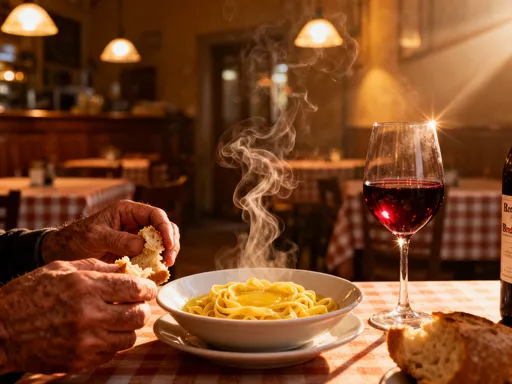
Turin’s reputation often orbits around two beloved icons: Barolo wine and bicerin, the layered espresso-chocolate drink served in historic cafes. While both are worthy of praise, they represent only a fraction of what the city’s culinary soul offers. To truly understand Turin’s food culture, one must look beyond the postcard images and step into the rhythm of everyday life, where meals are shaped by seasonality, family tradition, and an unshakable respect for quality ingredients. The real stars of the table are dishes like tajarin, a delicate egg pasta hand-cut into fine ribbons and typically served with butter and sage or rich meat ragù. With as many as eight eggs per kilogram of flour, tajarin is a testament to Piedmont’s love for richness and craftsmanship.
Equally emblematic is agnolotti del plin, meaning 'pinched ravioli.' These small, tightly sealed parcels are filled with a mixture of roasted meats, herbs, and Parmigiano-Reggiano, then simmered gently in broth or dressed simply in melted butter. The technique varies from household to household, passed down through generations, making each version a personal signature. Another cornerstone of the regional table is bollito misto, a mixed boiled meat platter that includes everything from veal and chicken to cotechino sausage and tongue. Served with a variety of sauces — most notably salsa verde, a vibrant blend of parsley, capers, garlic, and anchovies — bollito misto is a Sunday tradition, often shared among extended families after church.
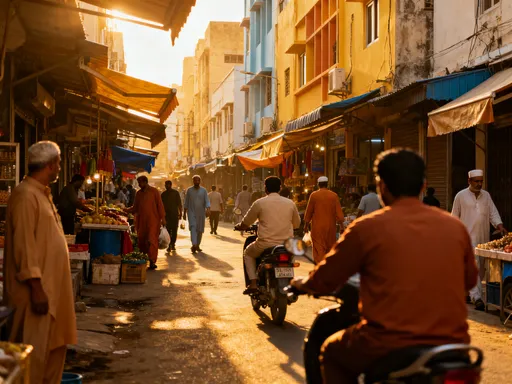
To witness this culinary culture in motion, one need only visit Porta Palazzo, one of Europe’s largest open-air markets. Located in the heart of Turin, the market pulses with life each morning as vendors arrange pyramids of seasonal produce, wheels of aged cheese, and baskets of wild mushrooms. The scent of roasting chestnuts mingles with the sharp tang of raw garlic and the earthy aroma of truffles in season. Locals move with purpose, exchanging greetings and quick recommendations: “Try the cardoon today — it’s tender.” “The porcini just came in from the hills.” This is not a tourist spectacle; it’s a living marketplace where food is more than sustenance — it’s connection.
The Secret Life of Pane e Salame
In a world obsessed with complex flavor profiles and multi-course tasting menus, Turin quietly champions the beauty of simplicity. Nowhere is this more evident than in the beloved combination of pane e salame — bread and salami — a humble snack that reveals the region’s deep respect for ingredient quality. Salame di Torino, a protected traditional product, is crafted from finely ground pork seasoned with garlic, white wine, and black pepper, then slowly aged to develop a firm texture and balanced taste. Unlike spicier southern varieties, it’s mild, almost sweet, allowing the natural flavor of the meat to shine.
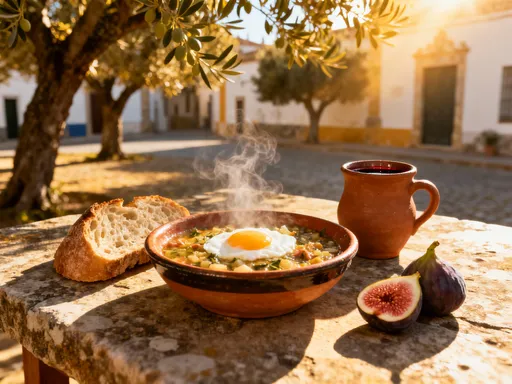
When paired with a crusty local bread — such as michetta, a soft, airy roll with a crisp exterior, or the more rustic pane di Altamura, known for its golden crust and chewy crumb — the result is a perfect harmony of texture and taste. This pairing is not reserved for picnics or quick lunches; it’s a ritual. In the late afternoon, as the light softens over the city’s arcaded streets, residents gather in neighborhood enoteche, or wine bars, where a plate of salame and bread appears alongside a glass of young red wine. There’s no pretense, no elaborate presentation — just honest food enjoyed at a relaxed pace.
The magic of this combination lies in its minimalism. Because there are so few components, each must be exceptional. A poorly cured salame or stale bread would ruin the experience. This is why many locals have trusted butchers and bakeries they visit weekly, sometimes daily. It’s also why travelers who seek out authentic versions often find themselves returning to the same small shop, drawn by the consistency and care behind every slice. In Turin, flavor isn’t created through complexity — it’s revealed through restraint.
Where Locals Eat: No Instagram, Just Flavor
If you want to eat like a Torinese, you must be willing to step away from the polished trattorias near Piazza Castello and the chocolate boutiques along Via Lagrange. The city’s most authentic dining experiences are found in its residential neighborhoods — Crocetta, San Salvario, and Aurora — where restaurants cater not to visitors with cameras, but to neighbors who know the owner by name. These places often lack websites, English menus, or even signs that stand out. Their reputation rests on word of mouth, not online ratings.
In San Salvario, for example, a narrow doorway might lead to a cozy osteria where the walls are lined with wine bottles and the evening menu is scribbled on a chalkboard. The staff moves with quiet efficiency, refilling water glasses without being asked and offering suggestions in rapid Italian. Here, you might find tajarin served with a rare autumn truffle shaving, or a slow-cooked brasato al Barolo that falls apart at the touch of a fork. The prices are fair, the atmosphere unpretentious, and the experience deeply human.
A key part of the local dining rhythm is aperitivo, but Turin’s version differs from the cocktail-centric trends seen in Milan or Rome. In the late afternoon, between 7 and 9 PM, residents flock to wine bars not just for drinks, but for generous spreads of food included with their order. This isn’t a few olives or potato chips — it’s a full mini-meal: mini quiches, marinated vegetables, cold cuts, and warm bites like supplì or fried polenta cubes. The culture encourages lingering, sharing, and conversation. It’s a social ritual as much as a pre-dinner snack.
For visitors, navigating these spaces can feel intimidating, especially without fluency in Italian. But politeness and a willingness to observe go a long way. A simple 'Buonasera' upon entry, a nod of appreciation, and a humble 'Cosa mi consiglia?' (What do you recommend?) can open doors. Many owners appreciate the effort and will guide guests toward what’s fresh and traditional. The absence of Instagrammable decor is not a flaw — it’s a sign that the focus remains where it should be: on the food, the company, and the moment.
The Chocolate Myth and the Truth Behind Gianduja
Turin is often called the chocolate capital of Italy, and for good reason. The city’s association with cocoa dates back to the 16th century, when the House of Savoy developed a taste for the exotic bean. By the 19th century, local chocolatiers were innovating out of necessity: during cocoa shortages, they blended ground hazelnuts with chocolate to stretch supplies. The result was gianduja, a smooth, nutty confection that would become the foundation of Turin’s most iconic treat — the gianduiotto, a small, boat-shaped chocolate with a rich, melt-in-the-mouth texture.
Today, gianduiotti are sold everywhere, from airport gift shops to luxury confectioneries. But there’s a vast difference between the mass-produced versions and the handmade ones crafted in small cioccolaterie using traditional methods. In a quiet workshop near the city center, one artisan demonstrates the process: high-quality cocoa, Piedmontese hazelnuts, and a touch of sugar are ground slowly for hours until the mixture reaches a velvety consistency. It’s then poured into molds and cooled with care. The result is a chocolate that is not overly sweet, with a deep, earthy flavor and a creamy texture that lingers on the palate.
While tourists often treat gianduiotti as souvenirs, for locals they are seasonal comforts, especially during the colder months. They’re enjoyed after dinner, offered to guests, or tucked into lunchboxes. Some families even have their preferred brand — Caffarel, Venchi, or a lesser-known neighborhood maker. The true significance of gianduja lies not in its fame, but in its roots: it’s a product of ingenuity, born from scarcity, refined by time. To eat a handmade gianduiotto is to taste Turin’s history — practical, resilient, and quietly proud.
Piedmont’s Pantry: Hidden Ingredients That Define the Cuisine
Beyond pasta, meat, and chocolate, Turin’s culinary identity is shaped by a handful of unsung ingredients that form the backbone of home cooking. Among them, bagna càuda stands out — a warm, pungent dip made from olive oil, garlic, and anchovies, traditionally served with raw or cooked vegetables for dipping. The name means 'hot bath,' and the dish is often shared communally, especially in winter, with friends and family gathered around a fondue-style pot. Though its strong aroma might deter some, its savory depth is beloved by those who grew up with it.
Another essential is toma, a semi-soft cow’s milk cheese produced in the Alpine valleys of Piedmont. With a mild, milky flavor and a slightly elastic texture, toma appears in everything from melted fillings to table cheese platters. It’s often enjoyed with honey or fruit preserves, a simple pairing that highlights its natural sweetness. Then there’s tartufo nero, the black truffle, which may not have the fame of its white counterpart, but is more commonly used in everyday cooking. Shaved over pasta or scrambled eggs, it adds an earthy luxury without overwhelming the dish.
Seasonality plays a crucial role in how these ingredients are used. In autumn, the arrival of white truffles from Alba transforms menus across the region, with restaurants offering special tasting menus and markets hosting truffle auctions. Spring brings wild greens like dandelion and borage, which are boiled and served with eggs or anchovies. Summer highlights ripe tomatoes, bell peppers, and the famous peperone di Senise, often roasted and preserved in oil. Even the humble fava bean, served with pecorino and olive oil, becomes a seasonal celebration. These ingredients are not trends — they are traditions, deeply woven into the rhythm of life in Turin.
How to Eat Like a True Torinese: A Practical Guide
To fully embrace Turin’s food culture, visitors must adjust not only their palates but their routines. The pace of dining in Turin is slower than in many other European cities. Lunch typically begins around 12:30 or 1 PM, and dinner rarely starts before 8:30 PM — often closer to 9 PM, especially on weekends. Aperitivo, the pre-dinner social hour, runs from 7 to 9 PM, making it the perfect time to experience the city’s wine bar culture without competing for a dinner table.
When ordering, it helps to understand the structure of an Italian meal. A traditional menu includes antipasti (starters), primi (first courses, usually pasta or rice), secondi (main dishes, often meat or fish), and contorni (side dishes). In Turin, primi are often the highlight, so don’t fill up too quickly on antipasti. If you’re unsure what to order, ask for the menu del giorno (daily menu) or simply say, 'Oggi cosa c’è di buono?' (What’s good today?). Most servers will appreciate the interest and point you toward the freshest offerings.
Another key is timing. Many family-run restaurants close between lunch and dinner, sometimes not reopening until 7:30 PM. Others take a full day off, often on Monday or Sunday. It’s wise to check opening hours in advance, especially outside the city center. When in doubt, follow the locals — if a place is full of residents in casual clothes, it’s likely a solid choice. And don’t be afraid to eat alone. Many Torinesi enjoy a quiet meal at a bar counter with a glass of wine and a slice of salame. It’s not loneliness — it’s a form of self-care.
Finally, patience and openness are the most valuable tools a traveler can bring. Turin does not perform for tourists. Its beauty is in its normalcy — the grandmother shopping for vegetables, the friends sharing a bottle of wine, the baker pulling fresh michette from the oven. To eat like a local is to slow down, observe, and accept invitations — even if they come in a language you don’t fully understand.
Why Turin’s Quiet Kitchen Deserves the Spotlight
In an age where travel is often about capturing the extraordinary, Turin offers something different: the profound satisfaction of the ordinary. Its cuisine doesn’t shout for attention. There are no flamboyant presentations, no celebrity chefs dominating the scene, no endless queues for viral dishes. Instead, there is a quiet confidence in the way food is prepared and shared — with care, consistency, and a deep sense of place.
Compared to the theatrical kitchens of Rome or the trend-driven menus of Florence, Turin feels more grounded. Its dishes are not designed for photos; they are made to nourish, to comfort, to bring people together. This is not a city that reinvents itself for visitors. It asks only that you come with an open mind and an empty stomach.
Traveling through Turin’s culinary landscape is not about checking off famous sites or tasting every trending dish. It’s about presence. It’s about sitting in a neighborhood enoteca as the evening light fades, listening to the murmur of conversation, and realizing that you’re not just eating — you’re being welcomed into a way of life. The flavors linger not because they are exotic, but because they are honest.
In the end, the greatest meals are not always the most elaborate. Sometimes, the most memorable bite is a piece of warm bread with a thin slice of salame, shared in silence as the city settles into night. Turin teaches us that true richness lies not in spectacle, but in simplicity — in the slow simmer of a stew, the careful cut of fresh pasta, the quiet pride of a handmade chocolate. To taste Turin is to remember that the best journeys are not the ones that dazzle, but the ones that deepen — one humble, delicious moment at a time.